
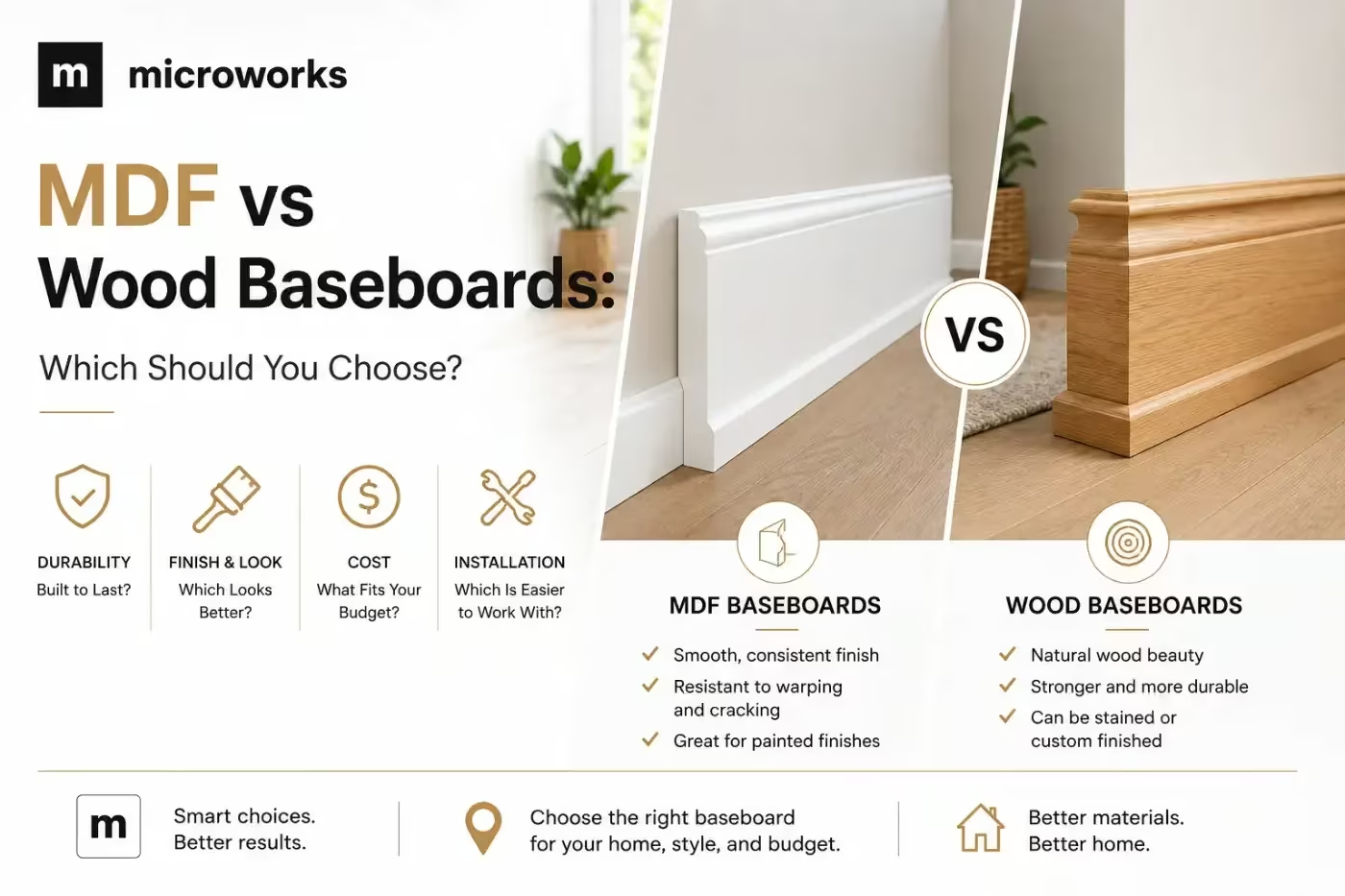
Stand in almost any Vancouver living room and your eyes land on the baseboards. Most homeowners only think about them when they’re dinged up, swelling near the tub, or getting replaced with new flooring. That’s usually when the question pops up: should you choose MDF or go with solid wood? Each has pros and tradeoffs for cost, durability, and how it handles our damp coastal climate. In this guide, we’ll walk through mdf vs wood baseboards in plain language so you can pick trim that looks sharp now and holds up to everyday life.

TL;DR:
- Pick MDF baseboards for fully painted trim, tight budgets, and dry rooms like bedrooms and hallways.
- Pick wood baseboards for long term homes, high traffic areas, and spaces that see splashes or moisture.
- In Metro Vancouver, labour often matters more than material price, so choose what will last, not just what’s cheapest per foot.
- If you’d rather not fuss with miters and caulking, Microworks can handle baseboard installation in one clean visit.
Quick answer: MDF vs wood baseboards at a glance
FactorMDF baseboardWood baseboardMaterial costLower; good when you have a lot of wall to trimHigher, especially for hardwood profilesDurabilityFine in low-traffic, dry areas; chips and swells if abusedStronger, easier to sand and repair over timeMoisture performanceDoesn’t like standing water or repeated mopping along the edgeHandles the odd splash better if properly sealedFinish optionsMust be paintedCan be painted, stained, or clear coatedBest usePainted trim in bedrooms, hallways, and low-risk areasKitchens, entries, bathrooms (or anywhere you want “forever” trim)
If you’re wrestling with the “mdf vs wood baseboard” choice, think less about what the builder down the street used and more about how each room in your home actually lives: kids, pets, wet boots, and all.
What are MDF baseboards?
How MDF trim is made
MDF (medium density fibreboard) is an engineered wood product made from fine wood fibres mixed with resin and wax, then pressed into sheets under heat and pressure. That process creates a smooth, uniform surface with no grain, knots, or growth rings to work around.
Because MDF is consistent from end to end, it mills cleanly into detailed baseboard profiles, usually comes pre-primed in common heights, and tends to move less than solid wood as indoor humidity drifts up and down through the seasons as long as it stays dry.
Where MDF baseboards make sense in Metro Vancouver
Around Vancouver, we see MDF baseboard most often in:
- Newer condos and townhomes with fully painted trim packages.
- Bedrooms, hallways, and living rooms that rarely see spills.
- Rental units where the goal is a clean look on a tighter budget.
MDF is a good match when everything is going white, you’re not planning to stain anything, and you want that modern, crisp profile without paying extra for stain grade wood. If your baseboard project is part of a longer to do list, our team can fold it into a few items from your handyman services list so the trim, drywall, and small fixes all happen together.
What are wood baseboards?
Common species used for baseboard
Wood baseboards are trim milled from solid lumber, usually softwoods such as finger jointed pine or poplar for paint grade work, and hardwoods like oak or maple when you want stained, natural looking trim. In practice, most Metro Vancouver homes with “wood” baseboards are using paint grade pine or poplar, often finger jointed and pre-primed from the mill.
Where wood baseboards shine
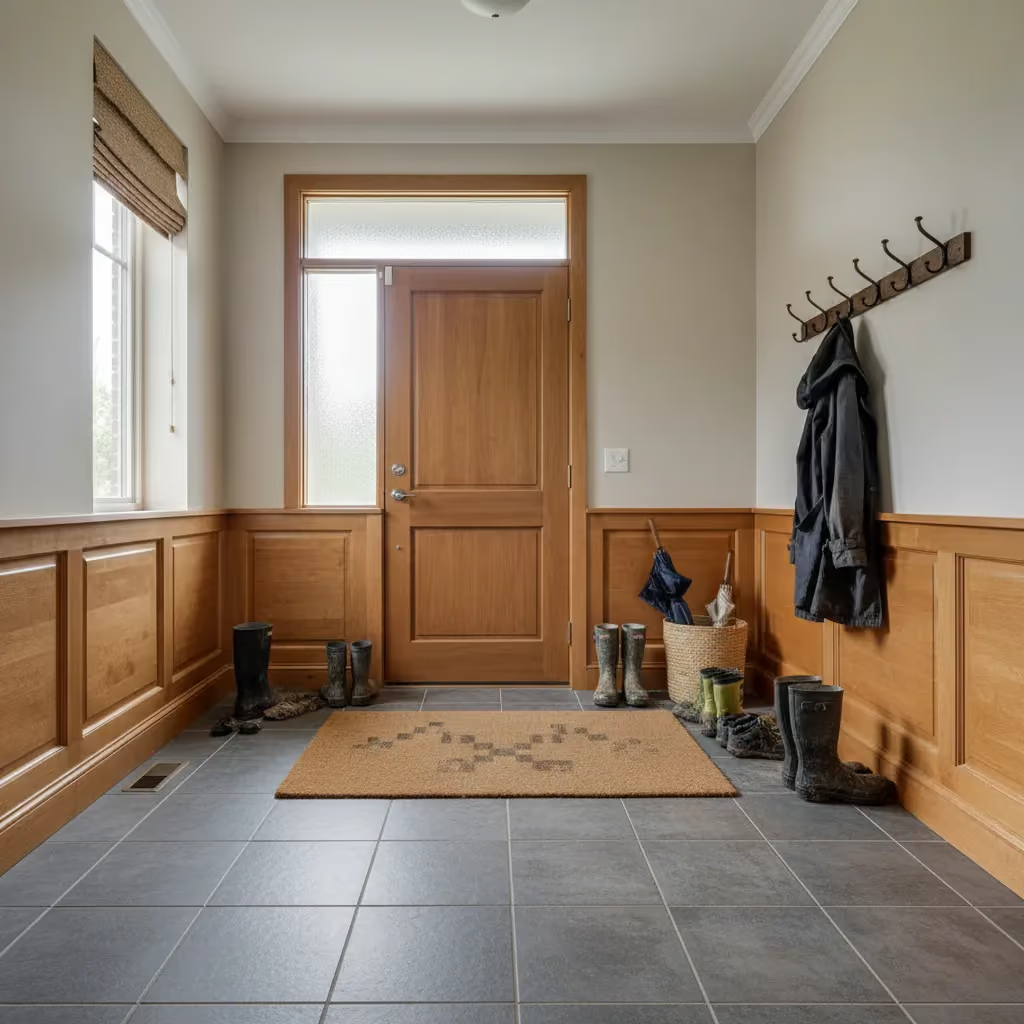
- Entryways and mudrooms that take abuse from shoes, strollers, and hockey bags.
- Kitchens and dining areas where chairs and vacuums hit the trim.
- Bathrooms and laundry rooms where the odd splash or damp floor is realistic.
- Character homes where you want taller, more detailed profiles that will be around for decades.
“Think of wood baseboards as the trim you install when you want to stop thinking about baseboards for a very long time.”
Wood does move more with seasonal humidity than MDF, so gaps at corners and joints have to be managed with good installation and caulking. But when it’s banged up, you can usually sand and repair it instead of replacing whole lengths of trim.
MDF vs wood: pros and cons that matter in Vancouver homes
Durability and everyday wear
Day to day, the big difference is how each material handles bumps and scrapes. MDF is dense but a bit crumbly at the edges; a sharp vacuum hit or toy can dent or chip the surface, and deeper damage is tricky to repair cleanly. Wood fibres in solid trim compress instead of crumbling, and minor damage can often be sanded and repainted or re-stained without pulling the board.
Moisture, spills, and Metro Vancouver’s damp air
Our coastal climate brings two moisture issues for trim: everyday humidity and the occasional leak or wet floor. Sealed MDF handles gentle humidity swings fairly well but is vulnerable to liquid water, especially along the bottom edge where mopping water or a small leak can soak in; that’s when you see the telltale puffy or “mushroomed” edge on older MDF baseboards. Properly sealed wood baseboards can take incidental splashes and the odd damp mop much better; they’ll still suffer in a flood, but they’re slower to show damage and more forgiving to repair if the problem is caught early.
Finish, paint, and style options
MDF has one finish path: paint. There’s no grain to highlight, and stains don’t absorb evenly, so it’s strictly for painted trim. Wood offers more flexibility. You can:
- Paint it to match doors and casings.
- Stain it to show off the grain and tie into floors or furniture.
- Clear coat it in older homes where natural wood is part of the charm.
If you already have stained window trim or stair parts, wood baseboard keeps everything consistent. If the whole house is modern and painted, MDF blends in just fine.
Repairs, future changes, and sustainability
Another angle in the mdf vs wood debate is what happens ten years from now. With MDF, deep swelling or chipping usually means replacement. With wood, a carpenter can often cut out and patch individual sections, then blend the finish. That makes wood friendlier for long term, “forever home” thinking, especially in busy North Shore houses where trim takes a beating.
Environmentally, MDF uses wood fibres that might otherwise be waste, but it also relies heavily on resins and is harder to recycle. Solid wood is a renewable material and, if you ever change your trim style, offcuts and removed boards are easier to reuse or dispose of responsibly.
MDF vs wood baseboard cost in Metro Vancouver
Material costs: what you pay per foot
North American cost guides consistently show MDF as the lower material cost option. Basic MDF baseboards often fall in the $1–$1.40 per linear foot range, with softwood baseboards more in the $1.40–$2.50 band and hardwood trim above that. Local pricing in Metro Vancouver (and in Canadian dollars) will vary, but the pattern holds: MDF is usually the cheaper stick, wood the pricier one.
For a small main floor with, say, 250–300 linear feet of baseboard, that material difference might add a few hundred dollars to the bill when you upgrade from MDF to softwood. The labour to remove old trim, prep walls, cut, install, caulk, and fill nail holes often makes up the bigger share of the project cost.
“MDF vs wood baseboard cost” in real-life scenarios
- Budget refresh or rental unit: MDF trim gives you a clean, fresh look at a lower upfront price, with the understanding that in 8–12 years you may be touching up or swapping pieces if they’re knocked around.
- Family home you plan to keep: In a long term family home, the extra material cost for wood often pays off in longer life and easier repairs.
- High moisture rooms: In bathrooms, laundry rooms, and entries, many builders now skip MDF entirely and choose wood (or even PVC) to keep future swelling and replacement costs down.
Hidden costs: painting, prep, and damage control
MDF usually arrives pre-primed, but every cut end and bottom edge needs sealing with paint or primer if you want it to last. Leaving raw MDF against a tile or vinyl floor in a bathroom is asking for that fuzzy, swollen edge later. Wood needs careful sanding and sometimes a bit more filling around knots, but once it’s coated it tends to shrug off everyday scuffs better.
If you’d like a realistic line item estimate for your home repairs, Microworks can quote MDF vs wood options side by side on the same Get Estimate request so you can see how the numbers land for your rooms.
How to choose: a simple decision guide
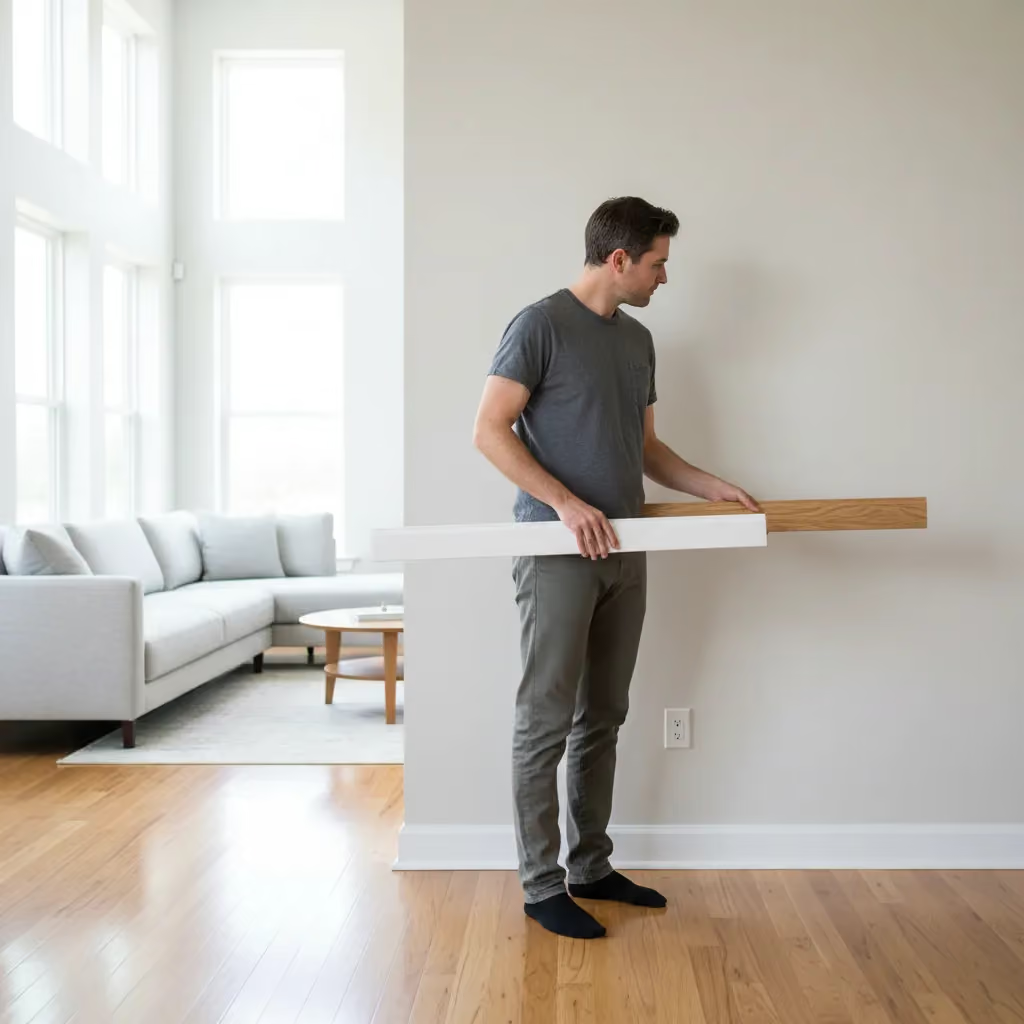
Your 3 question baseboard test
- Is the room mostly dry, or does water hit the floor?
Dry bedrooms and hallways can usually use MDF. Bathrooms, laundry rooms, exterior doors, and mudrooms should lean toward wood or another moisture resistant option. - Is this a forever home upgrade, or a shorter-term refresh?
If you plan to be in the home 10–20+ years, wood usually wins. If you’re tuning things up for a move in a few years or for a rental, MDF can be a reasonable choice. - Paint only, or stain and natural wood?
If you want the option of stained trim or a visible grain, wood is the only real candidate.
Best choice by room type
Room / AreaRecommended baseboardNotesBedrooms & hallwaysMDF or woodMDF is usually fine; wood if you want longer life or stained trim.Living / family roomMDF or woodConsider wood if kids, pets, or furniture frequently hit the walls.KitchenWoodRegular mopping, spills, and chair legs are tough on MDF over time.Bathrooms & laundryWood or PVCMDF swells fast around showers, tubs, and laundry leaks.Entry / mudroomWoodBoots, gear, and wet umbrellas are easier on wood trim.
Still stuck? Our grout vs caulk guide walks through a similar “product A vs product B” decision and might help you think about where durability matters most in your home.
When to call a pro for baseboard work
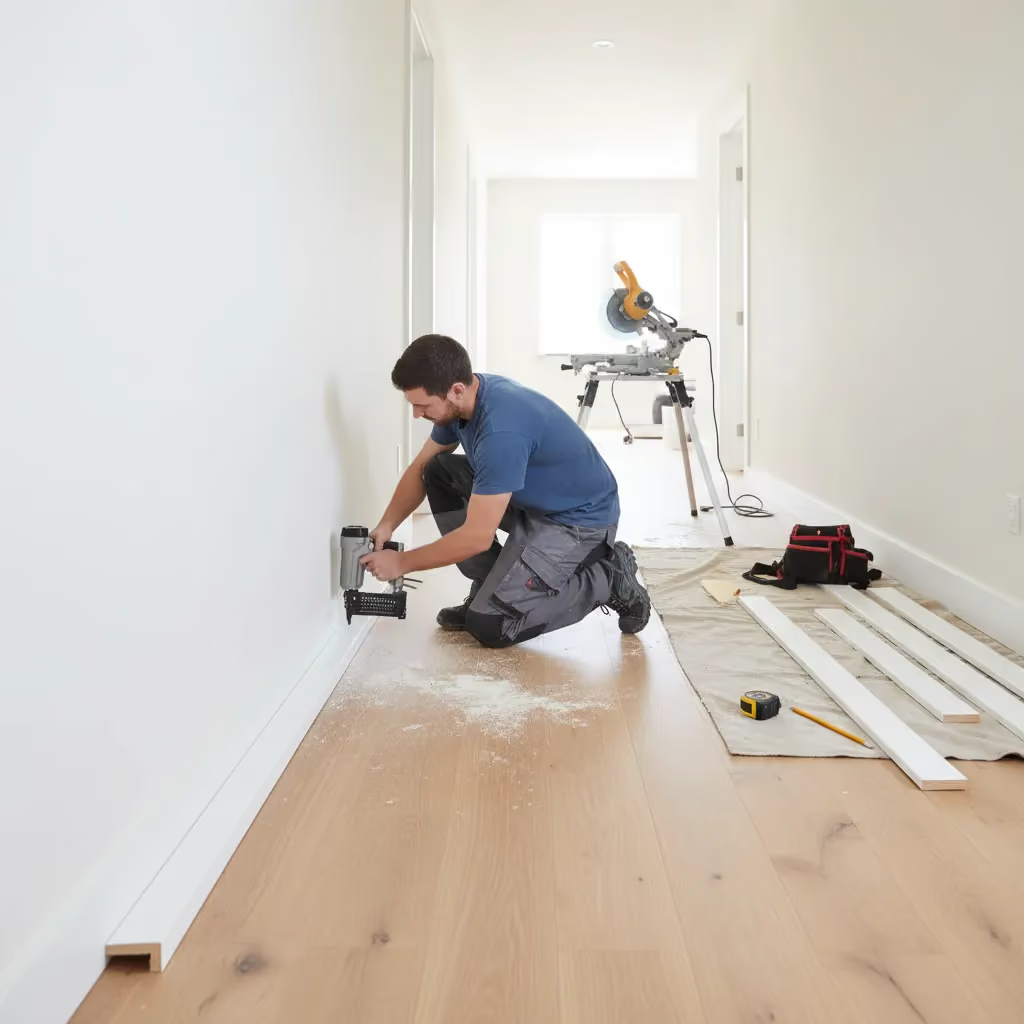
For most homeowners, whole floors, tricky stair profiles, or tying new trim into older casings and wainscoting are where a pro starts to make sense. At Microworks, baseboard projects usually fit into a half day or full day visit alongside other small jobs from your Vancouver handyman services checklist. Our Micro Process keeps things simple: you send a short description and photos, we send a clear estimate, then show up ready to work.
If you’re in North Vancouver, West Vancouver, Vancouver, Burnaby, or Coquitlam and you’re ready to upgrade the trim in one room or your whole main floor, you can start with a quick note through our Get Estimate page. We can:
- Recommend MDF vs wood for each room based on how you use the space.
- Supply the right profiles and heights to match your home.
- Remove old baseboards, repair minor wall damage, and coordinate any needed interior trim carpentry in one organized visit.
Recently, we completed baseboard installation for a North Vancouver family renovating their main floor; using wood in the kitchen and entry and MDF in upstairs bedrooms kept costs sensible while still standing up to kids, pets, and wet winters. That kind of mixed material approach is often the most practical fit for Metro Vancouver homes.
If you’re planning work beyond trim, you can also browse our full handyman services to see how baseboard upgrades can slot in alongside other small repairs.
Baseboards don’t have to be an afterthought. Chosen well and installed cleanly, they tie your floors, walls, and doors together and quietly make every room feel more finished.