Little things around the house pile up. A slow draining sink, a drip under the vanity, paint peeling on trim none feel urgent, so they land on the “later” list. The trouble is that many small maintenance issues are early warning signs of bigger, costly problems. Catching them now can save you from rot, mold, and sudden breakdowns. In this guide, we’ll cover the most common problems we see in Metro Vancouver homes and how to deal with them before they snowball.
A quick monthly walkthrough helps you spot small home maintenance issues before they turn into costly repairs.
TL;DR
- Small issues often show up first as water, moisture, or movement: drips, stains, musty smells, sticking doors.
- In our rainy coastal climate, anything involving water should sit at the top of your list.
- Many minor fixes are DIY friendly; anything involving safety, ladders, or hidden damage is a good fit for a handyman.
- Checking your home monthly and seasonally is far cheaper than repairing rot or structural damage later.
- If a task feels risky or you simply don’t have time, book an estimate with Microworks Handyman.
Why catching small problems early matters
In North and West Vancouver, months of rain, tall trees dropping needles, and freeze thaw cycles are hard on roofs, decks, trim, and drywall. A tiny gap in caulking this fall can turn into soft, crumbling trim by spring.
The 3 W’s of Home Maintenance Issues: Water, Wear, and Wires
Most costly home problems start in one of these three areas.
Most of the big repairs we see trace back to those 3 W’s. Focus on anything involving leaks, gutters, and roofs; tired caulking, paint, and exterior wood; and basic electrical warning signs, and you’ll catch most issues while they’re still small. RBC Insurance describes water damage as a top threat to Canadian homeowners and one of the leading types of home insurance claim, and their research shows that over 30% of property damage claims are caused by water, making it the leading cause of home insurance payouts in Canada. Insurers expect you to stay on top of basic upkeep, and a quick monthly scan or a short preventive visit with our team can protect both your house and your coverage.
“The cheapest time to fix a problem is while it’s still a little annoying, not when it’s soaking your subfloor.”
Plumbing leaks and drips
A drip under the sink, a constantly running toilet, or a dark stain on the ceiling below a bathroom are all classic early signs. Left alone, even a slow leak can rot out cabinets, subfloors, and framing.
Quick checks you can do
- Open the cabinet under every sink once a month; feel along supply lines and traps for moisture.
- Look at ceilings under bathrooms and around tubs or showers for new stains or bubbling paint.
- Listen for toilets refilling on their own; that “ghost flush” usually means a worn flapper or seal.
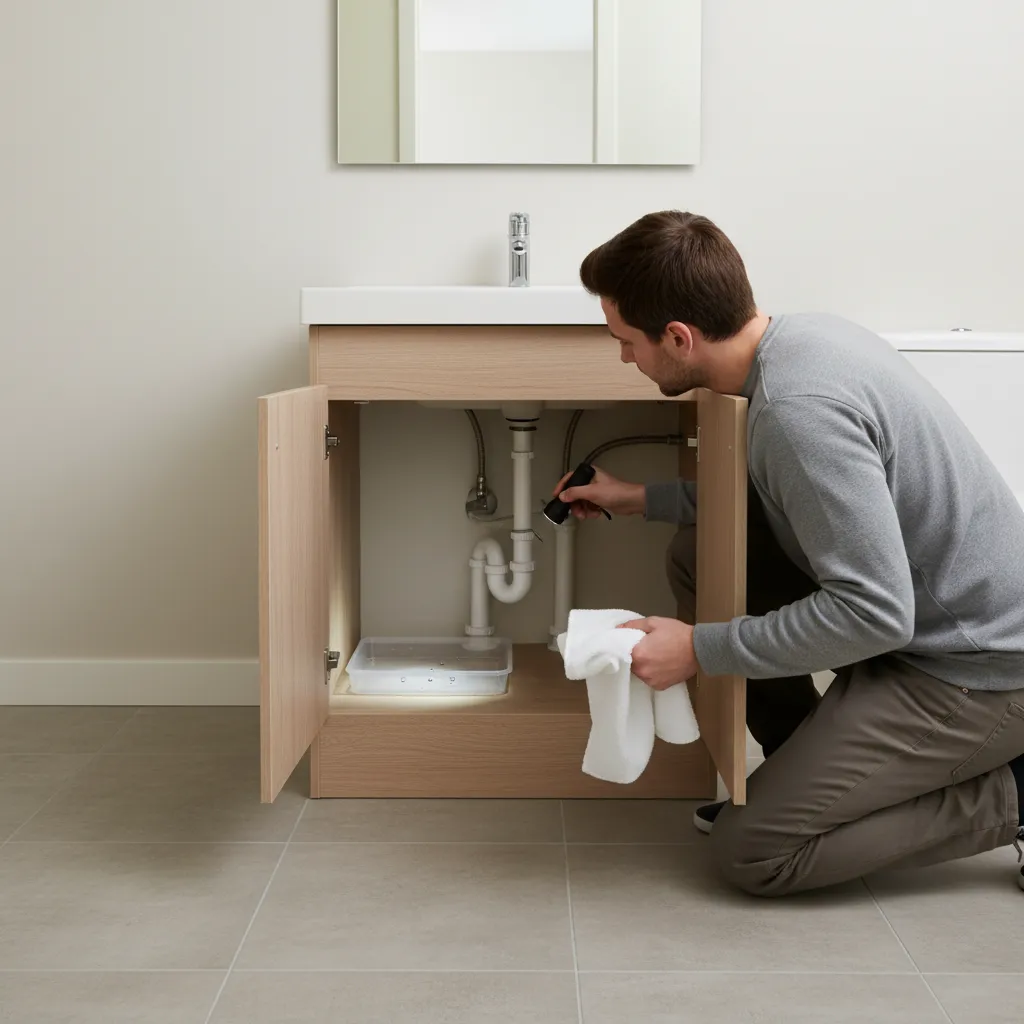
Regularly checking under sinks and around fixtures can catch small plumbing leaks before they damage cabinets and subfloors.
Simple early fixes
- Tighten loose slip nuts on PVC traps by hand (do not overtighten).
- Replace toilet flappers and supply hoses following the manufacturer’s instructions.
- Put a tray or towel under a slow drip while you plan a repair so it doesn’t soak nearby materials.
If you can’t find the source, see water staining on ceilings, or feel out of your depth, it’s time to bring in help. A handyman services can often handle fixture swaps and minor leaks; a licensed plumber is best for main lines or anything inside walls. When in doubt, shut off the water to that fixture and contact Microworks Handyman for guidance.
Roof and gutter trouble
In our cedar heavy neighbourhoods, gutters fill fast. Once they clog, water spills over the sides, soaking siding, decks, and foundation walls. Ice buildup in winter can worsen things further.
Signs of gutter or roof problems
- Water streaks down exterior walls below gutter lines.
- Soil washed out below downspouts or around the foundation.
- Moss on shingles, or shingles that look curled, cracked, or missing.
Overflowing gutters are one of the most common home maintenance issues and can lead to rot in fascia, siding, and trim.
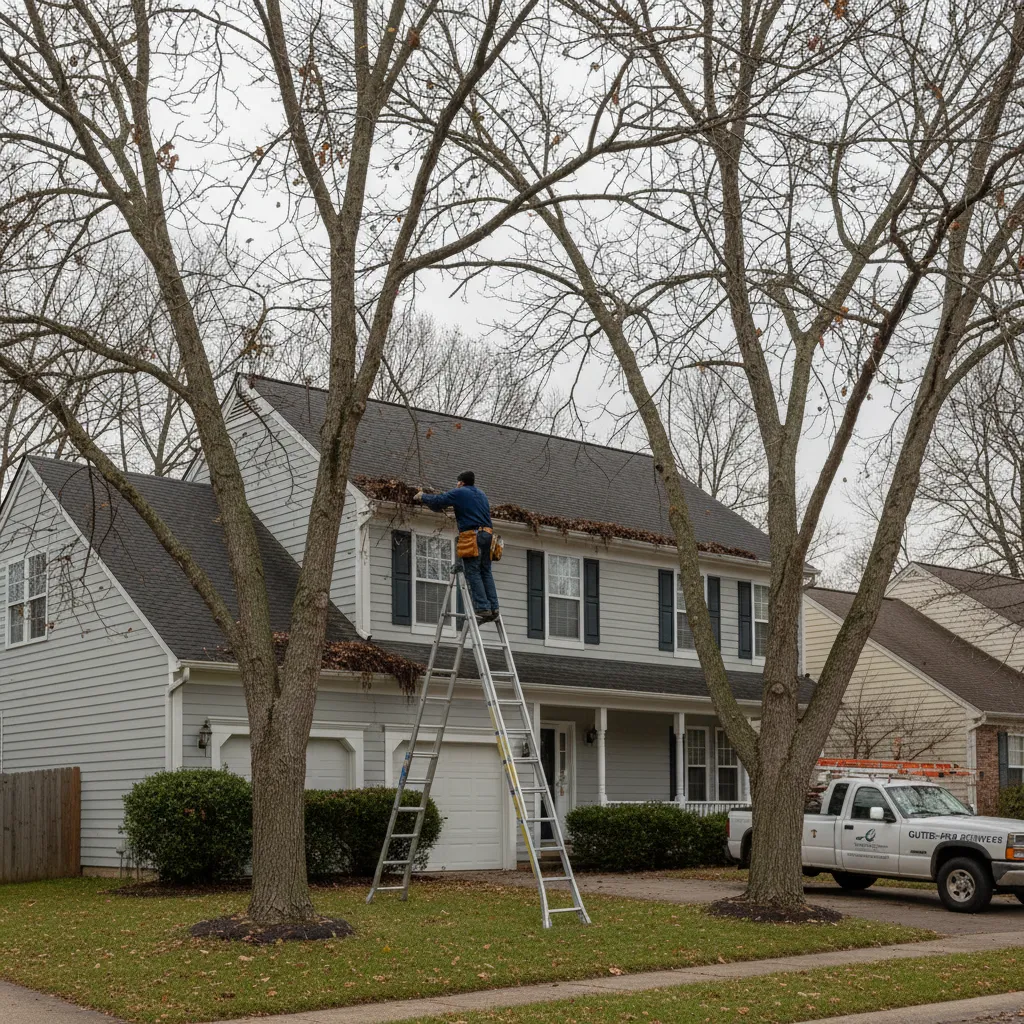
Early steps homeowners can take
- From the ground, use binoculars to scan the roof and gutters for obvious trouble spots.
- Keep downspout extensions in place and clear debris from inlets so water discharges away from the house.
Anything that needs climbing or walking on a roof is best left to a pro with the right ladders, fall protection, and insurance. Many homeowners hire a gutter cleaning company and then book us for fascia and trim repairs if overflow has already caused damage.
Real example: A North Vancouver homeowner called us about a small water stain above a back patio door. From the ground, the gutters looked fine, but we found a heavy clog above that section and fascia boards starting to rot. After cleaning the gutters and replacing a short run of fascia, the stain stopped spreading and the trim was saved from a much larger repair.
For more on how runoff can affect your foundation, local municipalities publish guidance on drainage and site grading. You can also review homeowner resources from Canada Mortgage and Housing Corporation (CMHC).
Exterior caulking, weatherstripping, and paint
Sun, rain, and movement cause caulking around windows, doors, and trim to split and pull away. Once those gaps open up, water finds its way into framing, and paint starts to peel or blister.
How to check these areas
- Walk around the house on a dry day; look for cracks where trim meets siding or around window frames.
- Run your hand lightly over weatherstripping; if you feel drafts in winter, it may need replacement.
- Look for soft spots in wood trim by pressing gently with your thumb.
Smart early repairs
- Cut out failed caulking and reapply a high quality exterior sealant rated for our climate.
- Touch up bare or peeling spots with primer and exterior paint rather than waiting for a full repaint.
- Replace worn door sweeps and weatherstripping to cut drafts and energy use.
If you find soft, spongy wood or widespread peeling, there may already be hidden damage. That’s when a carpentry focused handyman can open things up, repair the rot, and close it properly.
Moisture, ventilation, and mould odours
Steamy bathrooms and busy kitchens are part of life, but lingering moisture is hard on paint, drywall, and indoor air. In many older Vancouver homes, fans are underpowered or vented into attics instead of outside, which compounds the issue.
Warning signs
- Bathroom mirrors that stay fogged long after a shower.
- Musty or earthy smells in closets, basements, or under sinks.
- Black or dark spotting on caulking, grout, or window frames.
Simple steps that help
- Run bath fans during showers and for 20 minutes afterward; clean the grilles a few times a year.
- Check that exterior vents are clear and, in many cases, actually vent outdoors.
- Use a small dehumidifier in damp basements or crawlspaces.
Even without a visible leak, repeated moisture can feed mold inside walls and ceilings, so treat musty smells and persistent fogged windows as early warnings. For bigger moisture questions or visible mold, Health Canada shares practical advice on moisture and mold in your home. If you see widespread staining or soft drywall, pause DIY, document what you see, and contact a qualified professional; our team can often handle small home repair, replacement and fan upgrades, while significant mold issues are best assessed by specialists.
Electrical warning signs you shouldn’t ignore
Electrical work is one place where guesswork has no place. While only licensed electricians should work inside panels or wiring, homeowners can still spot early trouble and act quickly.
Common red flags
- Flickering lights that aren’t caused by a loose bulb.
- Outlets or switches that feel warm to the touch.
- Breakers that trip repeatedly when you use normal loads.
What you can safely handle
- Reset a tripped breaker that you know isn’t overloaded, then watch to see if the issue returns.
- Replace broken cover plates and loose faceplates.
- Test outlets with a simple plug-in tester from the hardware store.
Anything beyond this belongs with a licensed electrician. In many homes we visit, we’ll spot early issues like damaged fixtures or loose surface mounted boxes during other handyman work and recommend that clients contact Technical Safety BC licensed electricians for correction. Data from the BC Office of the Fire Commissioner shows that mechanical and electrical failures were involved in about 12% of residential structure fires in 2019, so warm, buzzing, or burning smell issues should be treated as urgent, not “wait and see.”
For more background, browse homeowner resources from Technical Safety BC, which explains your responsibilities and when permits are needed.
Settling, cracks, and early foundation hints
Wood frame homes move over time, especially on sloped North Shore lots, so hairline drywall cracks above doors or along stairwells are common. The trick is knowing when that movement hints at something more serious.
Things to watch
- Doors or windows that suddenly start sticking or rubbing on one corner.
- New cracks that appear wider than a credit card, especially in foundations.
- Gaps opening up between baseboards and floors or between countertops and backsplashes.
Early, low stress responses
- Mark the ends of a crack with pencil and date it; check again in a few months.
- Note which doors and windows stick and whether it changes by season.
- Repair hairline interior cracks with filler and paint, but keep photos of anything that returns quickly.
Vancouver based inspection firm Inspect Canada notes that recurring cracks, sticking doors, and sloped floors can all be signs of settlement, so growing or widening cracks deserve a closer look. If cracking increases or you see foundation movement, consult a structural engineer or foundation specialist first; a handyman comes in once the structural plan is set, to complete finishing work like drywall, trim, and paint.
A handyman can turn a long list of small home maintenance issues into one organized, efficient visit.
Reach out to a handyman when:
- A job needs ladders, specialty tools, or work near edges and roofs.
- You’re seeing early signs of rot, water damage, settlement, or mold.
- You want one visit to handle a list of small repairs across trades.
Microworks Handyman focuses on small projects and punch lists in North Vancouver, West Vancouver, and nearby Metro Vancouver communities. If you’d like help prioritizing and fixing your list, request an estimate, and we’ll review photos, confirm pricing, and book a visit that fits your schedule.
Quick seasonal checklist for Lower Mainland homes
Use this as a simple framework. You don’t need to finish it in a day; even a few tasks each month make a real difference. To keep things manageable, think about the 3 W’s of Home Maintenance Issues Water, Wear, and Wires and pick one or two items from each group.
Every spring and fall
- Inspect exterior caulking, trim, deck boards, weatherstripping, and door sweeps.
- Clear gutters and downspouts after major leaf drop or storms.
- If accessible, take a quick look in the attic for leaks or condensation.
All year round
- Test smoke and CO alarms monthly.
- Look under sinks and around toilets for damp spots.
- Walk the exterior after storms to spot runoff or pooling water.
If this list feels overwhelming, hand it off. Many homeowners ask us to turn their checklist into a short, repeatable visit once or twice a year. Heading into colder months, you can also use our winter home maintenance checklist for a deeper, season-specific list. You can learn more about how we work on our About page.
FAQs:
What are the most common home maintenance issues?
In Metro Vancouver, the problems we see most often are water related: small plumbing leaks, clogged gutters, failed exterior caulking, and moisture issues around showers, tubs, and windows. Next on the list are minor electrical concerns, worn weatherstripping, and signs of settling like new cracks or sticky doors.
How often should I check my home for maintenance problems?
A quick monthly walk through plus a deeper seasonal check in spring and fall works well. Look under sinks, scan ceilings, peek into the attic access (if safe), and walk the exterior. Many Microworks clients like to book a short visit once or twice a year so we can combine a walkthrough with a list of small fixes.
What belongs on a basic home maintenance checklist in Vancouver?
At minimum: test smoke and CO alarms, clear gutters and downspouts, inspect exterior caulking and paint, check under sinks, and walk around the foundation after heavy rain. Add chimney, deck, and attic checks as your home needs.
When should I call a handyman instead of doing it myself?
You don’t need to tackle everything yourself. Call a handyman when a task needs ladders or specialized tools, will take more time than you can spare, or crosses into trades where safety really matters like structural carpentry, electrical work beyond simple fixture swaps, or repairs involving possible rot, water damage, or mold.