Thinking about taking your older Vancouver home from “tired but livable” to “finally how we always wanted it”? When leaks, drafts, or a growing family pile up, that long planned overhaul suddenly feels urgent and you start asking what a realistic whole house renovation cost in Vancouver might be.
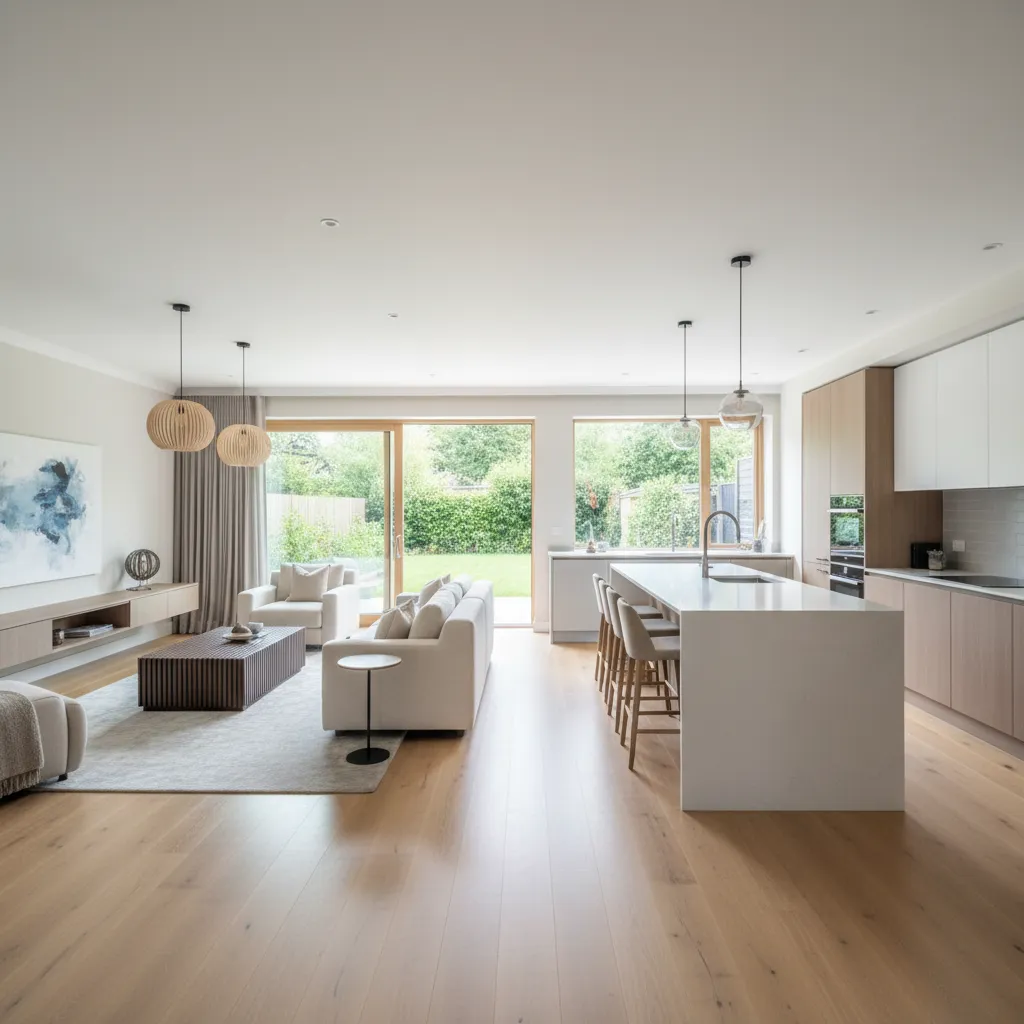
A fully renovated open concept living space similar to what many Vancouver homeowners aim for.
Friends, realtors, and contractors all quote different numbers. You need clear 2026 level ranges before you commit.
Contents
- TL;DR
- What counts as a whole house renovation?
- 2026 cost ranges by renovation level
- What drives renovation costs in Vancouver?
- 3‑Layer Vancouver Reno Budget
- Example budget: 1,800 sq ft Vancouver Special
- Permits, energy rules, and other “soft” costs
- How to keep your renovation budget in check
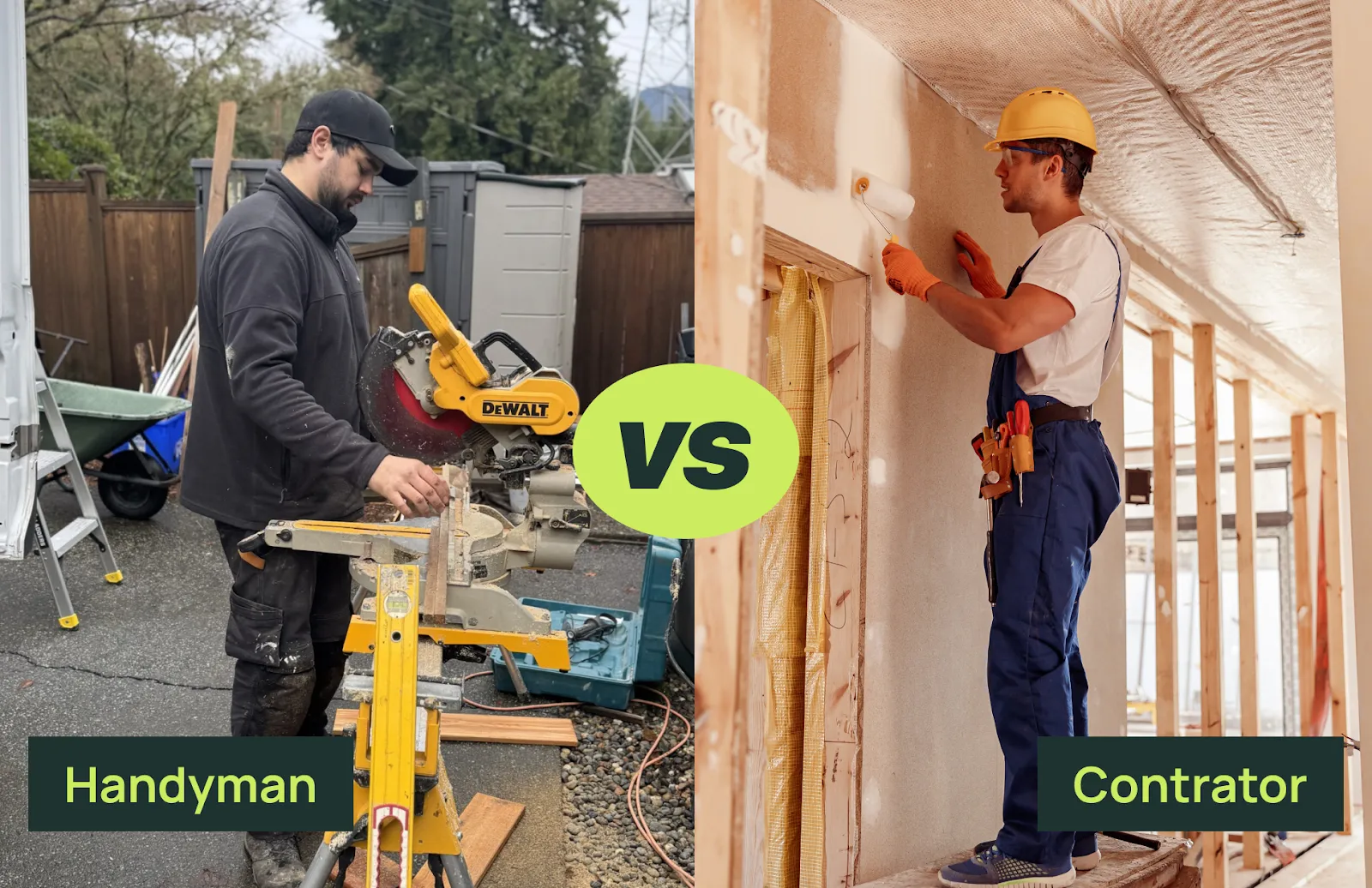
- Where a handyman team fits into a whole-home project
- FAQs
TL;DR
- Per square foot ranges (detached homes, 2026): roughly $150–$400+ per sq ft for full‑home renovations in Metro Vancouver, from basic to high‑end work.
- Typical whole home budgets: about $150,000–$500,000+ for a complete renovation of a detached house, depending on size, age, and finish level.
- For a common 1,800 sq ft Vancouver Special: many general contractors now quote roughly $200,000–$400,000 for a mid range full renovation, more if it’s a gut to stud job.
- Condos/townhomes: full interior renovations often fall in the $90,000–$250,000 range.
- Contingency: smart budgets set aside 10–20% for surprises in older Vancouver housing stock (asbestos, wiring, drainage, rotten framing).
Those numbers feel big, but they line up with what local builders, consultants, and real estate data are showing across 2025–2026. Vancouver’s combination of older homes, high labour rates, strict bylaws, and pricey finishes pushes renovation costs higher than most Canadian cities. If that level of spend feels out of reach, there are ways to phase work, focus on the right rooms, and use smaller projects a handyman team can handle to stretch the life of your home while you plan a bigger renovation.
What counts as a whole house renovation?
Contractors and designers use “whole home” or “full home” renovation to describe projects that touch most major rooms and systems in the house at the same time. That usually includes:
- Kitchen and at least one full bathroom
- Flooring and trim throughout most of the home
- Electrical and plumbing upgrades (panels, repipe, lighting)
- Insulation, windows, and building envelope repairs in many older homes
- Layout changes such as opening walls or adding a legal suite
By contrast, updating just a kitchen and powder room or doing a new bathroom and some flooring in the basement wouldn’t usually be called a whole home project; it’s still a big job, but not a full overhaul.
2026 cost ranges by renovation level
1. Cosmetic whole‑home refresh
This is the “new paint and nicer finishes everywhere” level of work mostly surface changes without major electrical, plumbing, or layout moves.
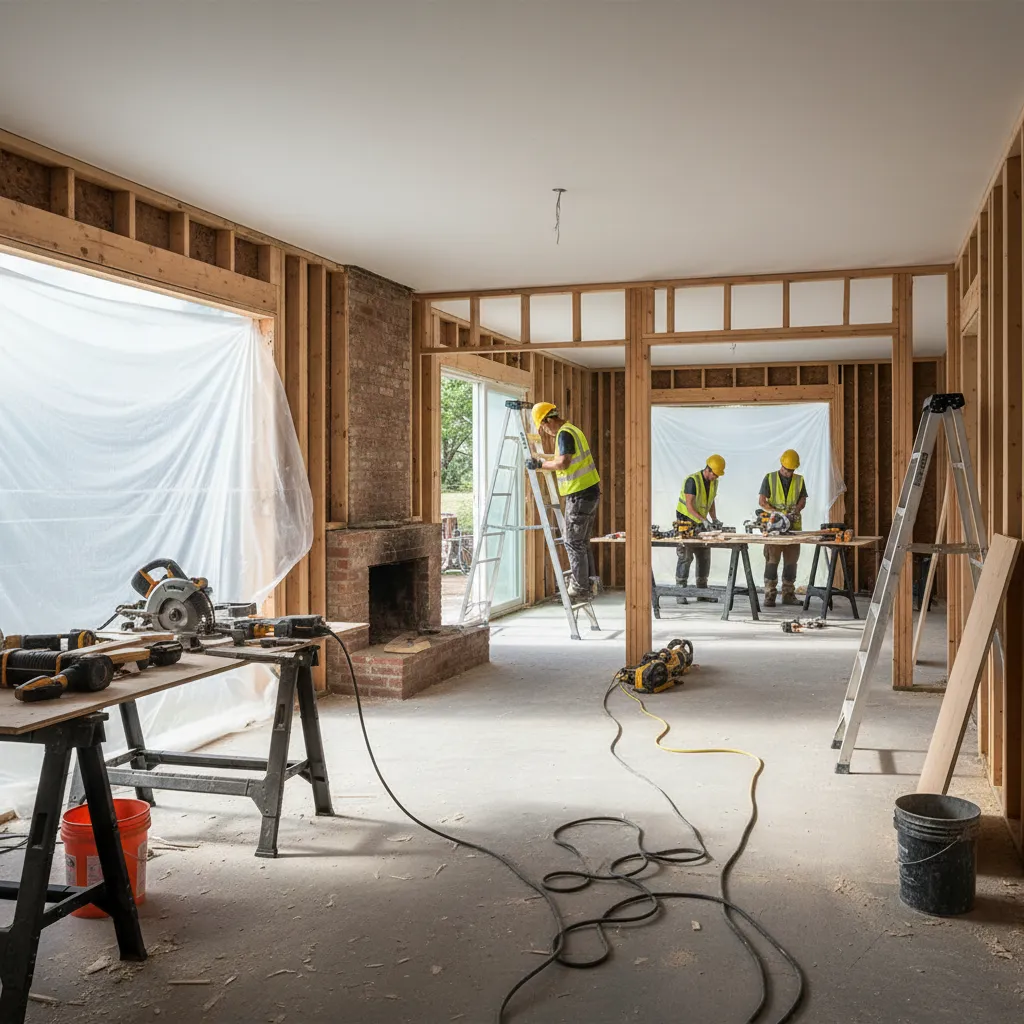
Whole house renovation work in progress, with exposed framing and trades on site.
- Interior painting and new flooring throughout most rooms
- New baseboards, casings, interior doors, and basic fixtures
- Cabinet refacing or new doors, not a full custom kitchen
Recent Vancouver cost guides put cosmetic level full home work roughly in the $40,000–$90,000 band for smaller houses, often toward the lower end of $150–$200 per sq ft when you’re mostly changing surfaces. For an older home, this level usually only makes sense if the underlying plumbing, wiring, and windows are already in good shape or were upgraded recently.
2. Mid‑range full renovation (most common)
This is the level many homeowners aim for: a full interior update with solid, durable finishes but not ultra‑luxury everywhere. It typically includes:
- Full kitchen renovation with new cabinets, counters, and appliances
- One or two full bathrooms renovated down to the studs
- Updated flooring and paint throughout, plus targeted electrical, plumbing, and insulation upgrades
Across multiple Vancouver based contractors and consultants, mid range full home projects now commonly land around $150,000–$320,000, or roughly $200–$300 per sq ft for the areas being renovated.
On a typical 1,800 sq ft Vancouver Special, that works out to roughly $200,000–$350,000 depending on how much structural and mechanical work your house needs.
3. Full gut and reconfiguration
At the top end is the “everything but the foundation” renovation, where you:
- Strip interior walls to studs on most or all floors
- Install new plumbing, electrical, HVAC, windows, insulation, and exterior cladding
- Make major layout changes plus a high end custom kitchen and bathrooms
For this level of work, current Vancouver guides quote roughly $300,000–$800,000+ for detached homes, with cost per sq ft regularly in the $300–$500+ range. Projects of this size almost always mean moving out for several months and treating the renovation more like a new custom build on your existing foundation.
What drives renovation costs in Vancouver?
Why does one house come in at $220 per sq ft while another climbs past $400? These are the big levers that move numbers up or down.
Pre 1970 houses with galvanized plumbing, old wiring, asbestos, minimal insulation, and aging drainage can need an extra $25–$55 per sq ft just to remediate underlying issues before visible upgrades start.
2. Scope, layout changes, and structural work
Keeping the basic layout and working mostly on finishes is far cheaper than removing load bearing walls, adding a legal suite, or moving stairs and window/door openings, all of which add design, engineering, and construction cost.
3. Finish level and product choices
Moving from “clean and basic” to custom cabinets, stone counters, designer fixtures, and detailed tile can roughly double material budgets for kitchens and bathrooms.
4. Labour rates and local market pressure
In Metro Vancouver, skilled trades often bill in the $80–$130/hour range, and some guides note materials can run 10–15% higher than many other Canadian markets, pushing per sq ft costs up.
5. Permits, inspections, and energy rules
Whole home projects that trigger building permits, inspections, and energy upgrade requirements add permit fees and consultant costs on top of construction; the BC government’s building permit guidance is a good starting point for rules.
3‑Layer Vancouver Reno Budget
A simple way to think about spending is to divide your budget into three layers: Essentials, Comfort, and Style.

Homeowners and a contractor mapping out a whole house renovation budget in layers.
- Essentials: structure, safety, plumbing, electrical, and core building envelope repairs.
- Comfort: insulation, windows, heating and cooling, ventilation, and sound control.
- Style: cabinets, counters, flooring, tile, fixtures, trim, and paint.
Fund Essentials and key Comfort items first, then use what’s left for Style upgrades so cost overruns don’t compromise safety or performance.
Example budget: 1,800 sq ft Vancouver Special
To make the numbers less abstract, consider a fairly typical 1,800 sq ft Vancouver Special in mostly original condition. Several 2026 cost guides suggest that a mid‑range full renovation on this kind of house often lands in the $200,000–$350,000 range; for planning, we’ll use a sample $260,000 budget. (Vancouver General Contractors Vancouver Special case study)
| Category | Share of budget (approx.) | Notes |
| Kitchen | 20–25% | Cabinets, counters, appliances, lighting, flooring |
| Bathrooms (1–2) | 15–20% | Plumbing, tile, fixtures, waterproofing |
| Flooring, trim, interior doors | 10–15% | Throughout main living areas and bedrooms |
| Electrical & plumbing upgrades | 10–15% | Panel, circuits, re‑pipe where needed |
| Windows, insulation, building envelope | 10–15% | Big swing item for drafty older homes |
| Design, permits, engineering | 8–15% | Architect/designer, structural engineer, permit fees |
| Contingency | 10–20% | Hidden framing, asbestos, drainage, code upgrades |
This is only an example, not a quote real numbers jump around based on scope and finish level but it shows how quickly costs spread across categories, and how cutting $30,000 often means dropping an entire category rather than shaving a bit everywhere.
On many projects, trimming the budget means changing scope, not just finding “cheaper” versions of the same work.
Near the end of projects like this, homeowners often bring in a smaller crew for important details such as drywall patches, trim carpentry, and door and hardware fixes that didn’t quite make it into the main contractor’s scope.
Permits, energy rules, and other “soft” costs
When people talk about the cost to renovate a house in Vancouver, permit and consultant costs can get glossed over but they add up quickly on larger projects.
- Building permits: In Vancouver, building permit fees for renovations scale with declared project value, ranging from a few hundred dollars on small jobs to several thousand dollars on whole‑home projects.
- Energy compliance: Larger projects can require an energy advisor and a Renovation Energy Upgrade Proposal (REUP), adding consultant fees plus the cost of required efficiency upgrades.
- Design and engineering: Local builders often budget about 8–15% of project cost for architectural/design services, plus additional fees for project management and structural engineering when you touch load‑bearing elements.
The City of Vancouver and Province of BC both maintain up‑to‑date guidance on when permits are needed; it’s wise to check those before any major work, even if you’re planning a phased approach.
For smaller, non structural tasks like many of the repair and finishing projects a handyman service handles you’re often below the thresholds that trigger permits, though strata rules may still apply in condos and townhomes.
How to keep your renovation budget in check
You can’t control Vancouver labour rates, but you can control how you plan and where you spend. Use the 3‑Layer Vancouver Reno Budget idea to decide what gets funded first.
- Define your “must‑do” list first. Separate life‑safety and envelope issues (leaks, bad wiring, rotten framing) from wish‑list upgrades, and fund those Essentials before Style.
- Get detailed, written quotes from more than one contractor. Ask for line items showing labour, materials, allowances, and contingencies so you can trim scope without compromising safety.
- Decide where you want staying power vs. short‑term fixes. Prioritize Comfort items like waterproofing, ventilation, and good windows, and scale back purely decorative Style choices if needed.
- Phase work when it makes sense. Do mechanical systems and key rooms first, then bring in a smaller crew or handyman service later for remaining rooms, trim, and storage.
- Protect your contingency. Keep your 10–20% buffer for structural, code, or serious hidden problems not for last‑minute nice‑to‑have upgrades.
Many homeowners blend approaches: a general contractor handles the heavy lift (kitchen, baths, structural changes), then a small‑project or handyman crew finishes the detailed list of smaller projects that would otherwise linger.
Where a handyman team fits into a whole-home project
Microworks Handyman focuses on the shorter, detailed tasks that sit alongside whole‑home projects—not the months‑long structural work a general contractor does.
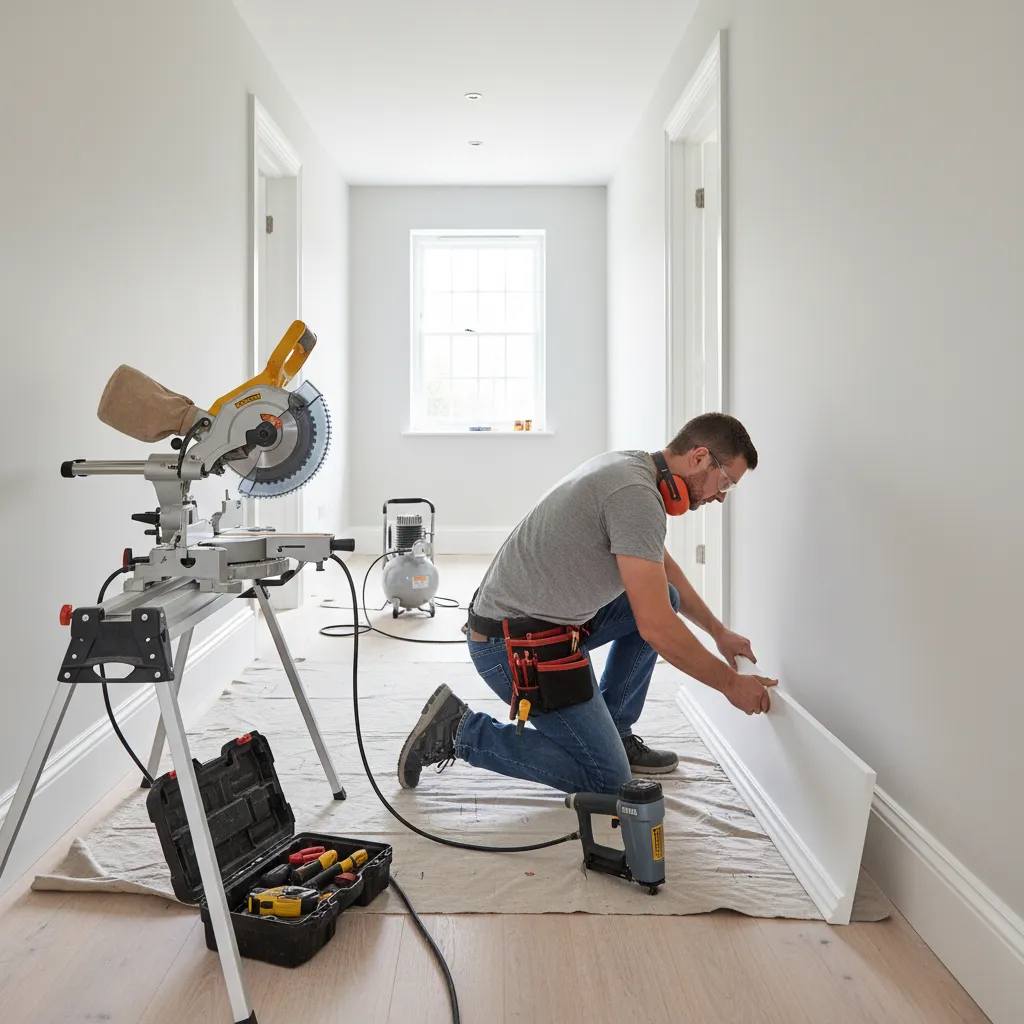
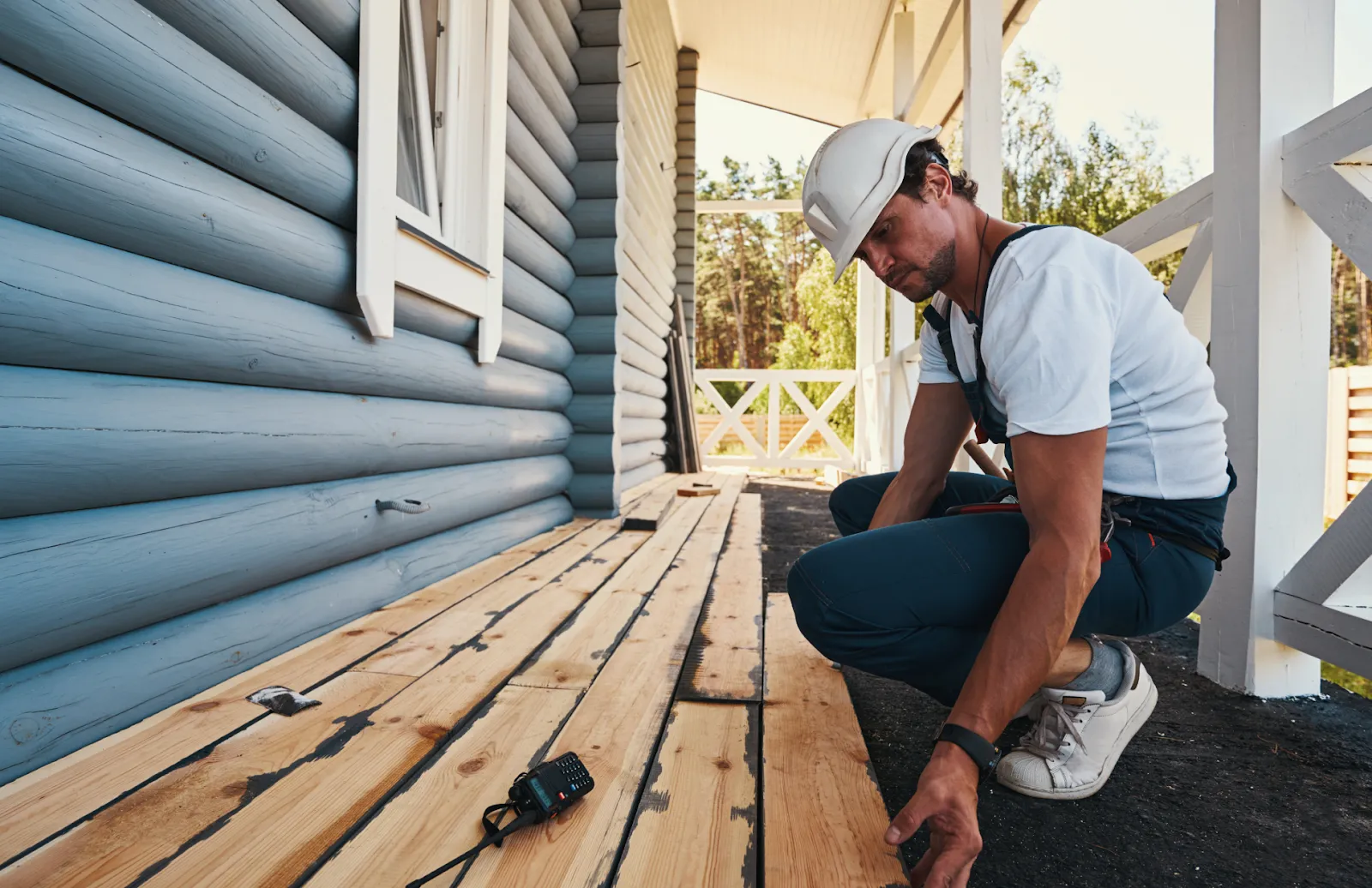
A handyman taking care of detailed trim and finishing work after the main renovation is complete.
- Before a major renovation: Fix sticky doors, minor rot, loose handrails, or broken drywall so your designer or general contractor sees the true condition of the house.
- Between phases: After trades finish rough‑ins, there’s often a punch list of framing tweaks, drywall patches, and trim details suited to a nimble finishing crew.
- After the big job: Adjust doors, install organizers and shelves, swap hardware, and mount bathroom accessories once the main contractor has demobilized.
- Aging‑in‑place and accessibility upgrades: Add grab bars, better railings, safer steps, and other targeted improvements that help you stay in your upgraded home longer.
For example, on a recent 1970s Vancouver Special, the homeowners used a general contractor for the new kitchen, suite layout, and permits. Once the GC wrapped up, they brought Microworks in for two short visits to fix sticky doors, rebuild a small set of exterior steps, and complete drywall and trim touch ups the main crew left behind finishing the project without restarting a big contract.
If you’re staring at a full‑home quote and wondering whether there’s a smaller, phased path, a specialist can help you decide which pieces need a general contractor and which can be handled as focused handyman visits. You can see examples of those projects on our handyman maintenance and small‑project services page, and this overview of what a handyman does can help you sort your list.
FAQs
How much does it cost to renovate a whole house in Vancouver in 2026?
Most detached full home renovations in Vancouver fall between about $150,000 and $500,000 or more, with typical per square foot costs around $150–$400 depending on size, scope, and finishes.
Are renovation costs the same across Metro Vancouver?
No central Vancouver, North Vancouver, and West Vancouver are usually at the higher end of the range, while nearby cities such as Burnaby and Richmond tend to be somewhat lower per square foot thanks to newer housing stock and easier site access.
Is it cheaper to renovate or rebuild in Vancouver?
It depends on your existing house: severely dated or damaged homes that already need a full gut and additions can sometimes be better candidates for a new build, while solid structures with decent layouts are often more cost‑effective to renovate under current zoning.
How long does a full home renovation in Vancouver take?
Many full home projects take six to twelve months from design kickoff to final touch‑ups, while mostly cosmetic renovations can wrap up in a few months depending on permits and what’s discovered once walls are opened.
Can I just tackle smaller projects instead of a full renovation?
Yes, many homeowners choose a series of smaller projects, such as a new bathroom, targeted insulation or window work, then interior trim and paint, so they can spread costs over time while still improving comfort and function.