Contents
- TL;DR:
- Why winter maintenance matters in North Shore & Metro Vancouver
- How to use this house winter checklist
- Exterior defence: 5 quick jobs to keep water out
- Plumbing & drainage: 4 tasks to prevent leaks and floods
- Heat, air & safety: 4 indoor checks for cozy, safe nights
- Finishing touches: 2 tasks that protect paint, trim & fixtures
- What should be on a house winter checklist in Metro Vancouver?
- When to call a North Shore handyman instead of doing it yourself
- Next steps: shrink your winter to do list
- Summary takeaway
TL;DR:
If you only skim this page, focus on these:
- Clean gutters and confirm downspouts are draining away from the house.
- Seal gaps around windows, doors, and exterior penetrations.
- Protect outdoor faucets, hoses, and exposed pipes.
- Test smoke and CO alarms, replace batteries, and check fire extinguishers.
- Change furnace/HRV filters and clear vents, registers, and exterior exhaust hoods.
- Walk your basement, crawlspace, and attic after a big rain to catch small leaks early.
Got more on your list than you can handle? Get an estimate, and our North Vancouver handyman team can tackle several of these in one visit.
If you live on the North Shore or anywhere in Metro Vancouver, you know winter here is more about rain, wind, and the odd freeze than blizzards. It’s the season when “I’ll get to that later” jobs come back as leaks, soft spots, and drafts.
This winter home maintenance checklist is built for homeowners with a growing to do list and not much spare time. Instead of a weekend‑eating renovation, these are 15 quick tasks you can chip away at between storms or hand off to a trusted North Vancouver handyman.
Knock out a few now and you’re far less likely to face emergency calls, soaked basements, or a rotted deck come spring.
Why winter maintenance matters in North Shore & Metro Vancouver
North Vancouver, West Vancouver, and Burnaby see long stretches of wind‑driven rain, the odd heavy snow load, and regular freeze thaw cycles up on the slopes. Water works into tiny gaps, then expands as it freezes, causing peeling paint, swollen doors, and hidden rot.
Most expensive repairs we see start as small maintenance misses a clogged gutter, failed caulking, or a loose exterior handrail.
Small winter maintenance tasks, done consistently, are one of the cheapest forms of insurance a homeowner can buy.
Treat this checklist as a simple habit, like switching your tires: a few focused hours now can save you thousands over your home’s life.
How to use this house winter checklist
You don’t need to tackle all 15 items in one weekend. Here’s a simple way North Shore and Metro Vancouver homeowners use lists like this:
- Step 1: Walk your property once, inside and out, phone in hand. Jot notes and photos.
- Step 2: Mark anything that looks like active water entry, electrical, or safety concerns as “do this week.”
- Step 3: Group the rest into 2 to 3 short sessions or a single visit from a handyman service.
Below, each task includes why it matters here in our rainy coastal climate, plus simple actions you can take yourself or delegate, loosely grouped around water, air, and safety.
Exterior defence: 5 quick jobs to keep water out
Task 1: Clean gutters and downspouts
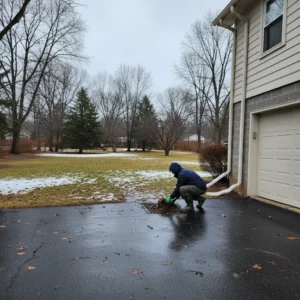
During 2 a.m. Pineapple Express, clogged gutters send water straight down your siding and into foundations, decks, and walkways. Peeling paint near the roofline often turns out to be years of overflow; by the time fascia and rafter tails are exposed, they can already be rotted and need replacement work that a simple annual clean can often prevent.
- Clear leaves, needles, and roofing grit from gutters.
- Flush each downspout with a garden hose to confirm good flow.
- Check that downspouts discharge at least 3 to 6 feet from the foundation or into proper drains.
Not thrilled about ladders on wet ground? Many homeowners pass this to a pro during a broader winter maintenance visit or bundle it with a repairs & replacements service if gutter overflow has already caused damage.
Task 2: Quick roof and flashing check (from the ground)
You don’t need to stand on the ridge to spot trouble. From the ground with binoculars or a zoomed phone camera, look for:
- Missing, cracked, or badly curled shingles or shakes.
- Metal flashing that has lifted or separated, especially around chimneys, skylights, and vents.
- Moss build‑up or dark streaks that trap moisture.
If anything looks off, flag it for a roofing contractor. A small repair now is far cheaper than tracing down water stains in your ceiling later.
Task 3: Check caulking and trim around windows and doors
On the rainy side of Metro Vancouver, window and door trim takes a beating. Cracked or missing sealant lets water run behind the casing and into the framing.
On a dry day:
- Inspect caulking where siding meets trim, and where trim meets window or door frames.
- Look for separation, gaps, or brittle sections.
- Scrape out failed sealant and apply high quality exterior caulk as needed.
The Canada Mortgage and Housing Corporation has helpful guidance on exterior maintenance and water management for Canadian homes, if you’d like more reading on this topic.
Task 4: Inspect weatherstripping and thresholds
Drafty exterior doors make your furnace work harder and lead to cold spots near entries. Over time, worn weatherstripping can also let wind‑driven rain sneak under the threshold.
- Close each exterior door and check for light coming through at the bottom or sides.
- Run your hand around the frame on a windy day to feel for cold air.
- Replace compressed or torn weatherstripping and adjust thresholds so the door seals snugly but still latches easily.
Task 5: Secure handrails, steps, and exterior lighting
Icy or wet stairs plus a loose handrail are a recipe for a bad fall. Before the next cold snap:
- Tighten loose handrail brackets and posts.
- Repair trip hazards on steps and landings where practical.
- Test exterior lights at entries and paths; replace burnt bulbs with LEDs rated for outdoor use.
If you have older family members or guests with mobility challenges, this is one of the highest value safety upgrades you can make.
Plumbing & drainage: 4 tasks to prevent leaks and floods
Task 6: Protect outdoor faucets and hoses
Metro Vancouver doesn’t spend the whole winter below zero, but those few deep freezes are enough to burst an unprotected hose bib or pipe.
- Disconnect and drain garden hoses; store them indoors or in a shed.
- Shut off interior valves to exterior hose bibs if your home has them, then open the exterior faucets briefly to release pressure.
- Add insulated faucet covers for extra protection, especially on wind‑exposed walls.
Task 7: Clear exterior drains and check grading
Many North Shore homes rely on perimeter drains and surface grading to keep basements dry.
- Clear leaves and debris from driveway drains, trench drains, stairwell drains, and catch basins.
- After a heavy rain, walk around and check for standing water near the foundation.
- Where practical, redirect downspouts away from any low spots that pond water against the house.
If you suspect issues with perimeter drainage, it’s worth a call to a drainage specialist; that system is the backbone of a dry basement in our region.
Task 8: Inspect sump pumps and backup options
If your house or townhome has a sump, winter is when you really want it ready. A quick test can spare you from a flooded basement during an atmospheric river.
- Lift the sump lid and slowly pour in water to confirm the pump kicks on and discharges properly.
- Check that the discharge line is clear and not frozen or blocked.
- Consider a backup pump or alarm if your basement stores valuables.
Task 9: Look for small interior plumbing leaks
A slow drip under a sink or at a shut‑off valve rarely fixes itself. Catching it early saves cabinetry and flooring.
- Check under every sink with a flashlight for moisture, staining, or swelling.
- Run your hand around supply lines, P-traps, and shut off valves.
- Tighten loose connections or call in help for anything more than a simple fix.
Heat, air & safety: 4 indoor checks for cozy, safe nights

Task 10: Change furnace, HRV, or heat pump filters
Dirty filters restrict airflow and can shorten the life of your equipment. BC Hydro notes that well maintained heating systems run more efficiently, and that each degree above 20 °C can add roughly 5% to your heating costs (BC Hydro home efficiency tips). Natural Resources Canada also offers practical advice on making your home more energy‑efficient year round.
- Replace or clean filters according to the manufacturer schedule (often every 1 to 3 months in winter).
- Vacuum floor registers and return air grilles.
- Confirm furniture or rugs are not blocking key vents.
Task 11: Clear bathroom fans and exterior vents
With windows closed, interior moisture from showers and cooking has nowhere to go. That’s when condensation shows up on windows and, eventually, on cold corners of drywall.
- Remove and wash bathroom fan covers; gently vacuum fan blades.
- Turn on each fan and check the exterior hood for good airflow.
- Clear lint and debris from dryer vents to reduce fire risk.
Task 12: Test smoke alarms, CO detectors, and fire extinguishers
Longer evenings, space heaters, candles, and more cooking all raise fire and carbon monoxide risk, and the Province of B.C. reports that working smoke alarms can cut the chance of dying in a home fire by about half.
- Test every smoke and CO alarm using the test button.
- Replace batteries annually and any alarm older than the manufacturer’s rated life (often 7 to 10 years).
- Confirm you have at least one working fire extinguisher near the kitchen and know how to use it.
Task 13: Peek in the attic after a storm
Attics in North Shore homes are a great early‑warning system. After a big storm:
- Look for damp insulation, darkened sheathing, or visible drips under roof penetrations.
- Check for frost on nails or sheathing, which can signal ventilation or moisture issues.
- Note any issues for a roofer or qualified contractor to assess.
Finishing touches: 2 tasks that protect paint, trim & fixtures
Task 14: Touch up exposed exterior wood and trim
Bare or peeling spots on exterior trim, deck railings, or fascia boards soak up water all winter. That’s how rot starts.
- Spot‑sand loose or flaking paint on small areas.
- Prime bare wood with an exterior primer and finish with quality exterior paint.
- Flag any soft or punky areas for repair or replacement.
For bigger sections or higher work, many homeowners book small painting jobs with a small project carpenter so damaged trim and flashing get repaired and coated together.
Task 15: Refresh interior caulking in wet areas
Winter is also a good time to handle small interior jobs that stop water from sneaking where it shouldn’t.
- Inspect caulking around tubs, showers, and kitchen backsplashes.
- Remove cracked or mold‑stained lines and recaulk with bathroom‑rated sealant.
- Check under sinks after you’re done to confirm no water has escaped behind the cabinet.
What should be on a house winter checklist in Metro Vancouver?
If you only remember one thing, remember this: our house winter checklist is all about managing water, air, and safety.
Water:
- Clean gutters, downspouts, and exterior drains.
- Protect outdoor plumbing and check for small interior leaks.
- Inspect roof, flashing, caulking, and trim for entry points.
Air:
- Seal drafts around doors and windows.
- Maintain filters, bathroom fans, and dryer vents.
- Watch for condensation on windows and cold corners.
Safety:
- Test smoke and CO alarms; check extinguishers.
- Secure handrails and improve exterior lighting.
- Confirm walkways and entries are as slip resistant as practical.
The Province of BC also publishes seasonal preparedness resources that are worth a look if you like lists and checkboxes.
When to call a North Shore handyman instead of doing it yourself
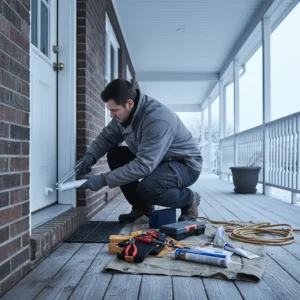
You don’t have to tackle every winter task yourself.
A professional handyman is a good fit when:
- You’re not comfortable with ladders, tools, or electrical safety checks.
- You’re seeing signs of moisture, rot, or structural movement and want a trained eye.
- Your time is better spent on work, family, or actually relaxing at home.
At Microworks Handyman, our team focuses on the small winter jobs bigger contractors typically turn down trim and door repair, minor rot repair, caulking, hardware swaps, and other finishing work that keeps your place in top shape.
Next steps: shrink your winter to do list
Here’s a simple three‑step plan you can act on this week:
- Walk through your home with this checklist and mark anything that’s urgent or looks like an active water entry.
- Pick three easy wins you can handle yourself in under an hour each.
- Group the rest and book a visit with a trusted local handyman or specialist where needed.
If you’re in North Vancouver, West Vancouver, Vancouver, Burnaby, Coquitlam, or nearby communities and your list feels longer than your weekends, our Red Seal led team can help with the small repairs and maintenance tasks that stack up over time.
Get an estimate today, and let us tackle your winter maintenance list so you can enjoy a dry, comfortable home for the rest of the season.
Summary takeaway
Metro Vancouver winters are wet and hard on homes, but working through a focused checklist gutters and drains, exterior sealing, plumbing protection, safe heating, and a few key touch ups helps keep your home drier, safer, and more comfortable year after year.