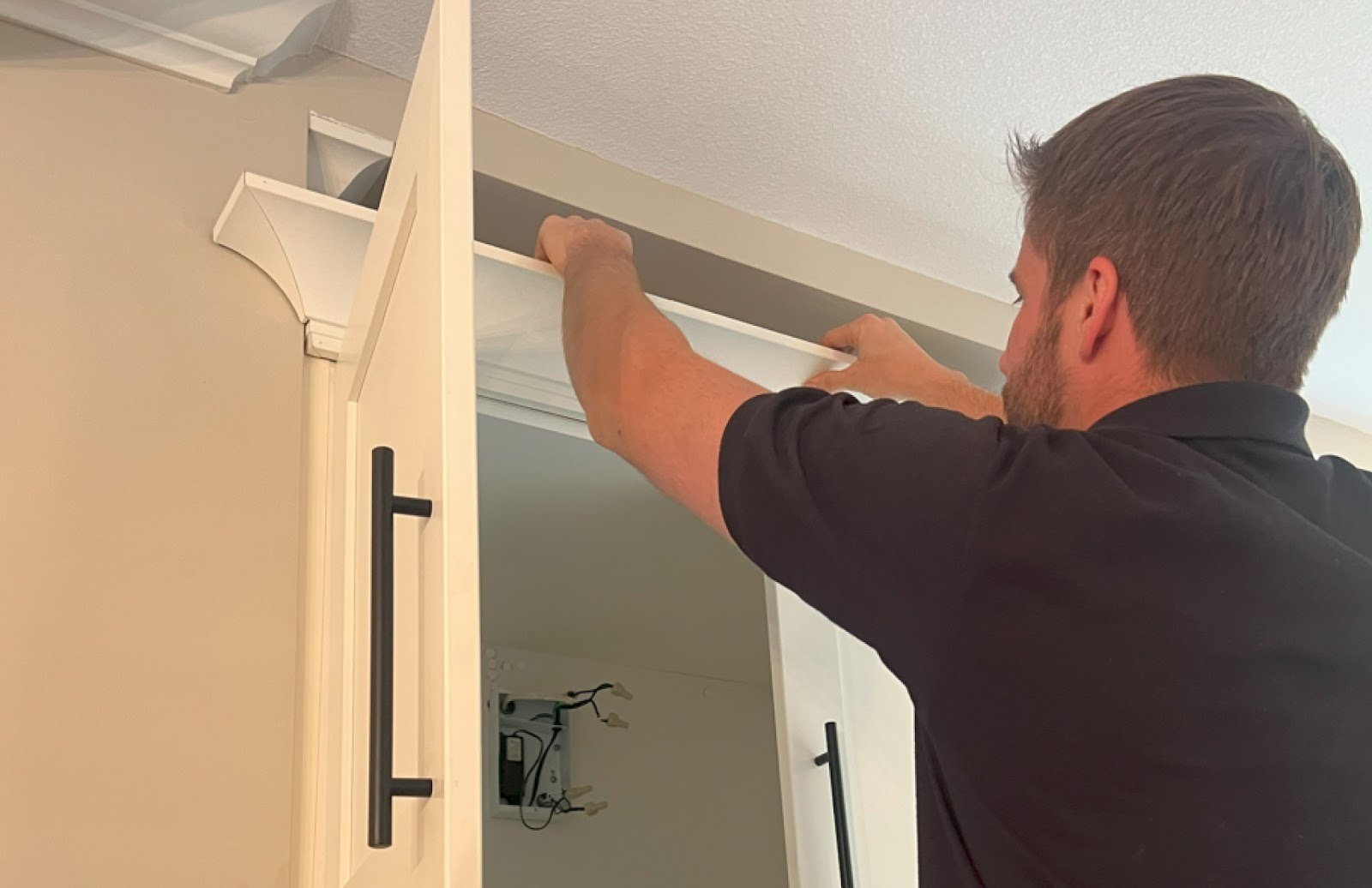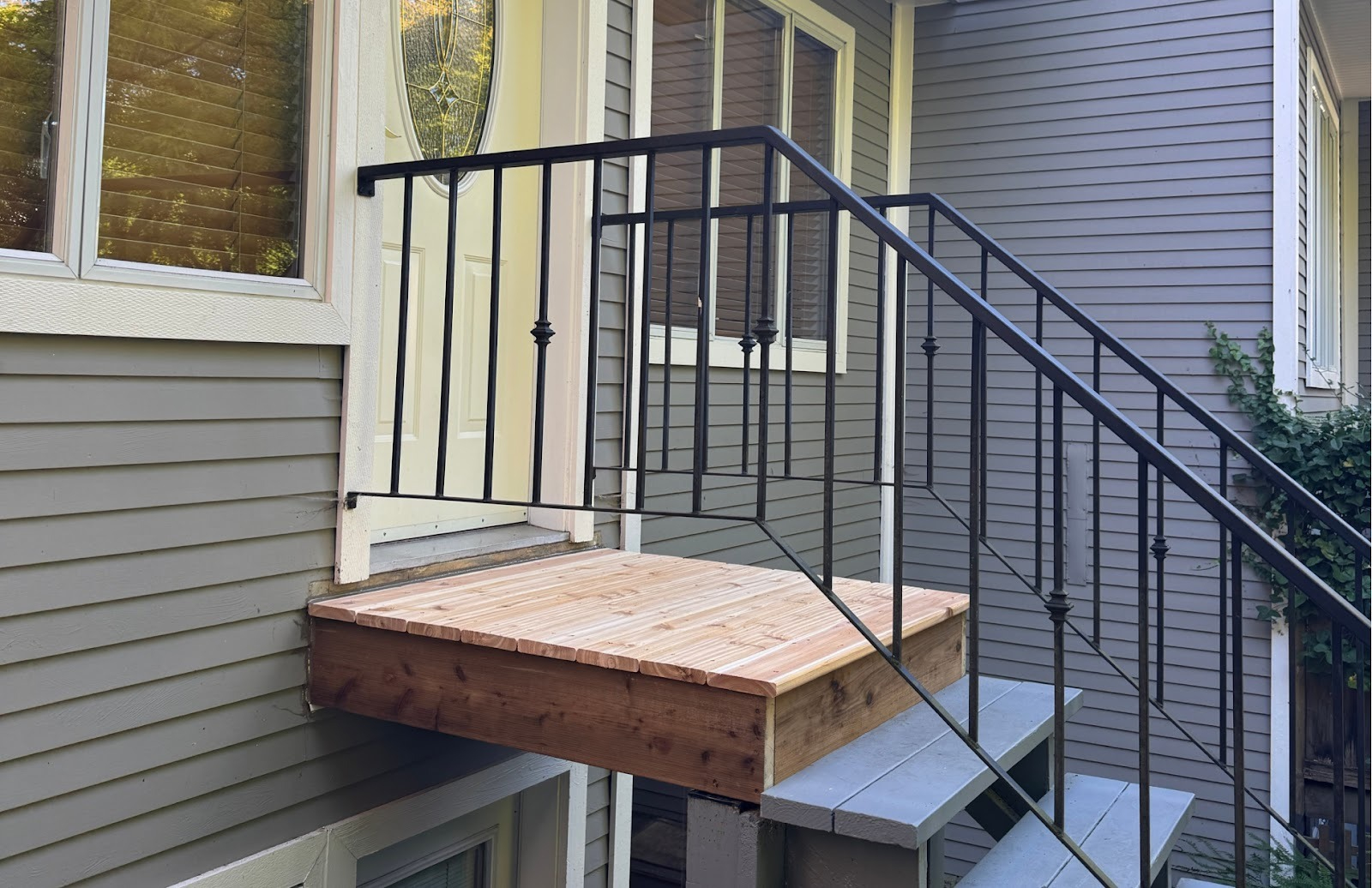
Batching seasonal home maintenance into one visit often starts with a simple gutter and roofline check.
This seasonal home maintenance checklist is written for Metro Vancouver homeowners who want to catch leaks before the first big November storm. If you live in North Vancouver, West Van, Vancouver, Burnaby, Coquitlam, or Bowen Island, you know our wet season is long, and when gutters, caulking, or drainage fall behind, water slowly damages fascia, sills, and drywall.
The good news: most of the highest‑value maintenance jobs are small, repeatable tasks that you can batch into a single, well‑planned handyman visit. That means fewer Saturdays on a ladder, less guesswork, and a much shorter to‑do list taped to the fridge.
Contents
- TL;DR: Metro Vancouver rain‑ready home checklist
- Why seasonal maintenance matters more in Metro Vancouver’s rain
- How to use this checklist in one handyman visit
- Fall home maintenance checklist: exterior rain‑ready jobs
- Autumn home maintenance checklist for the interior
- Storm safety, drainage, and moisture checks
- When should I call a handyman instead of DIY?
- Quick FAQ for Metro Vancouver homeowners
- Key takeaways
TL;DR: Metro Vancouver rain‑ready home checklist
- Book gutter and downspout cleaning at least twice a year (late fall and spring), plus a quick roof and fascia check (gutter cleaning guidance).
- Seal gaps around windows, doors, trim, and siding before the heavy rain sets in.
- Check grading, downspout extensions, and surface drains so water moves away from the foundation, not toward it (roof and gutter tips).
- Use fall as your main “batching” season: group gutter work, exterior caulking, minor rot repair, and safety checks into one handyman visit.
- Repeat a lighter version of this list in spring to spot any winter damage early.
Want help bundling these tasks into one efficient visit? Get an estimate from the Microworks Handyman team.
Why seasonal maintenance matters more in Metro Vancouver’s rain
Our coastal climate is tough on houses: long stretches of rain plus the occasional heavy snow. Local municipalities and the Government of Canada both highlight roof and gutter maintenance as a front‑line defence against leaks and basement moisture (Government of Canada flood guidance). If water can’t get off your roof or away from your foundation, it finds its own path—usually through wood, caulking, and cracks.
Did you know? Vancouver sees roughly 1.4–1.5 metres of rain a year, and parts of North Vancouver near the mountains get about 2.5 metres (local rainfall data). All of that water moves across your roof, gutters, and foundation every year.
On older North Shore and Vancouver homes, the weak spots are predictable:
- Clogged gutters overflowing onto fascia boards and siding
- Short downspouts discharging right beside the foundation
- Dried, cracked caulking around windows and doors
- Soft deck boards or stair treads where water sits
Left alone for a few wet seasons, these small issues often turn into rot repairs, interior damage, or full window replacements. A simple, seasonal checklist keeps you ahead of that curve.
“Small, regular maintenance in October and March is usually far cheaper than one nasty surprise leak in January.”
How to use this checklist in one handyman visit
This seasonal home maintenance checklist is built around batching: instead of calling multiple trades—or spending weekends on a ladder—you group 10–20 small jobs into one organized visit. That’s how Microworks Handyman works: a Red Seal–led tech handles the rain‑related tasks in one go.
Walk around your home with this article open on your phone, jot down anything loose, cracked, moldy, or rusty, and mark items that need a ladder or tools you don’t own. Send that list with your estimate request so it can be priced as one package.
A simple rhythm that works well for many Metro Vancouver homes is this: fall is “water‑first” season (gutters, drainage, caulking, roof and fascia checks) and spring is “cosmetic” season (touch‑up painting, drywall patching, hardware swaps, and deck refreshes). This “Water‑First Fall, Cosmetic Spring” approach tackles the highest‑risk items before the big storms, then uses spring to spot winter damage and tidy the visible details.
Fall home maintenance checklist: exterior rain‑ready jobs
Think of fall as “defence season.” The goal is to move water off the roof, down the walls, and away from the foundation as cleanly as possible.
1. Gutters and downspouts
Home improvement experts generally recommend cleaning gutters at least twice a year—once in late fall and once in spring—especially in rainy climates with lots of trees (when to clean gutters). In Metro Vancouver, that’s not overkill; that’s just keeping up.

Clearing leaves from gutters and downspouts is one of the highest‑value seasonal home maintenance checklist tasks.
- Clean gutters and downspouts, including elbows and outlets.
- Run water from a hose to confirm everything drains properly.
- Re‑secure any loose hangers or spikes.
- Seal small seams or pinholes with exterior‑grade gutter sealant.
- Add or repair downspout extensions so water exits at least ~2 m (6 ft) from the foundation where possible (downspout extension advice).
Multi‑storey homes and houses close to power lines are usually better left to pros with the right ladders, stabilizers, and safety gear. If you’re in that category, add “gutter cleaning and tune‑up” to your batched small home repairs list.
2. Roof, flashing, and fascia (from the ladder, not on the shingles)
From a safe ladder position at the eaves, you can often see the early warning signs:
- Loose or missing shingles near valleys and vents
- Rusty or lifted metal flashing around chimneys or walls
- Soft, flaking fascia boards where gutters attach
A handyman visit can handle minor fascia repairs, small flashing touch‑ups with sealant, and reporting anything that needs a dedicated roofer. That way you catch issues long before a full roof replacement enters the chat.
3. Siding, trim, and exterior caulking
Your siding and trim are the jacket; caulking is the zipper. Once the bead cracks or shrinks, rain starts to work its way behind the finish.
- Inspect vertical joints where trim meets siding.
- Check around windows, doors, and exterior light fixtures.
- Replace any loose or rotten trim boards.
- Cut out failing caulking and re‑caulk with high‑quality exterior sealant.
This is one of the fastest, highest‑value tasks to batch: the ladders and caulk guns are already out during a gutter visit, so adding a “caulking circuit” around the house adds only a bit of time but a lot of protection.
4.Decks, stairs, and walkways
Wet leaves and constant drizzle turn Metro Vancouver decks into skating rinks. As part of your fall home maintenance list:
- Sweep and clear leaves from decks, stairs, and walkways.
- Tighten loose railings and tread boards, and repair or replace any rotten steps or landings.
- Plan ahead for cleaning or re‑coating high‑traffic areas in spring.
For more stubborn moss or mildew problems, it can help to pair a handyman visit with a reputable local exterior washing company; combining services like that keeps your North Vancouver home both safe and tidy year‑round.
Autumn home maintenance checklist for the interior
Once the shell is ready for rain, shift inside. Here you’re mostly watching for hidden moisture and drafts.

Simple interior checks like testing for drafts and inspecting weatherstripping support your seasonal home maintenance checklist.
5. Windows, doors, and weatherstripping
- Check for drafts by running your hand around the window and door frames on a windy day.
- Replace worn weatherstripping on entry doors and patio sliders.
- Adjust latches and strikes so doors close snugly against their seals.
- Touch up interior caulking where window frames meet drywall.
This pays off twice: lower heating bills and less condensation sitting on cold glass and sills all winter.
6. Attic and ventilation checks
Moisture that sneaks past the roof usually tells on itself in the attic first:
- Look for dark stains, frost, or mold on the underside of roof sheathing.
- Confirm that bathroom fans and range hoods vent outdoors, not into the attic.
- Make sure soffit vents are not blocked by insulation or debris.
If you’re not comfortable up there—or even sure where to peek—consider asking a handyman to include a quick attic inspection in a batched visit and provide photos with notes.
7. Basements, crawlspaces, and sump areas
Metro Vancouver stormwater programs stress the value of getting water into the ground and away from foundations, not letting it sit beside your walls. Inside the house, that means:
- Checking for damp corners, musty smells, or white mineral deposits on walls.
- Confirming sump pumps (if present) run and discharge to the correct location.
- Sealing small cracks and gaps accessible from the interior.
Significant moisture, active leaks, or structural movement are a reason to bring in a specialist, but a handyman can often handle the small, nagging items that let minor seepage keep recurring.
Storm safety, drainage, and moisture checks
8. Surface drains and driveway grates
West Vancouver’s guidance asks property owners to keep storm drains on and near their property clear before heavy rain to reduce flood risk. That applies to driveway trench drains, stairwell drains, and patio grates too.

Clearing surface drains and driveway grates before storms helps your Metro Vancouver home shed water safely.
- Clear leaves and debris from all exterior drains and grates.
- Test drains with a hose to see how fast they empty.
- Have a pro inspect stubbornly slow drains or perimeter systems.
9. Grading and landscaping near the foundation
Even a gentle slope away from the house dramatically reduces long‑term moisture issues. During your fall walk‑around, look for:
- Soil or mulch that has settled toward the foundation.
- Low spots where water pools after rain.
- Landscaping beds or hardscaping that trap water against walls.
A handyman can often re‑slope small areas, add splash blocks, or install extensions as part of the same visit that includes gutter work and caulking, giving you a full rain‑management refresh in one go.
10. Safety gear: smoke alarms, CO alarms, and lights
Shorter days and more time indoors make fall a smart time to:
- Test smoke and CO alarms; replace batteries or expired units.
- Check and improve exterior, stair, and deck lighting so nobody is guessing where the last step is in the dark.
These are quick wins for a handyman who already has a ladder and tools on site for your exterior work.
When should I call a handyman instead of DIY?
Many Metro Vancouver homeowners are comfortable with small ground‑level tasks. Hiring a pro makes sense when:
- Your home is more than one storey, sits on a steep lot, or needs work near power lines.
- You have a long list of small jobs that all require ladders or specialty tools.
- You’ve spotted early signs of leaks or rot and want them checked before they turn into major repairs.
- You’d rather book one efficient visit than spend multiple weekends on setup, cleanup, and trips to the hardware store.
In one typical batched visit for an older North Vancouver home tucked under tall cedar trees, a handyman might:
- Clean and tune gutters and downspouts on a two‑storey home.
- Replace a couple of rotten fascia sections and repaint the new boards.
- Re‑caulk several windows and doors on the windward side.
- Secure a loose deck railing, swap a few cracked stair treads, and update smoke and CO alarms.
A typical case: a North Vancouver homeowner bundles those tasks into a half‑day visit instead of booking separate trades. By tackling drainage, minor rot repair, and safety items together, they reduce ladder time, catch early fascia damage, and head into the wet season with a clear, scheduled plan.
A modern handyman service like Microworks Handyman is built for exactly this type of work: small, detailed, repeatable jobs that keep your home in good shape season after season. Get an estimate and turn this checklist into a simple, recurring visit.
Quick FAQ for Metro Vancouver homeowners
How often should I book a fall home maintenance checklist visit?
Most local homeowners do one thorough fall visit every year, then a lighter spring visit to spot winter damage. If you live under big fir or cedar trees, gutter cleaning might need to happen more often than that—sometimes every few months.
What’s different about an autumn home maintenance checklist here compared to drier cities?
In Calgary or Winnipeg, winter is all about snow and deep cold. In Metro Vancouver, the main stress is water. Your checklist leans heavily on drainage, roofing, gutters, flashing, and sealing up places where wind‑driven rain can get in.
Can I split the work between seasons?
Absolutely. Many Metro Vancouver homeowners treat fall as “water‑management season” (gutters, downspouts, caulking, drainage) and spring as “cosmetic season” (touch‑up painting, drywall patching, hardware swaps, and deck refreshes). This simple seasonal home maintenance checklist approach works well as long as you book fall work before the big storms and use spring to spot winter damage and tidy cosmetic details.
What should be at the top of my fall home maintenance list if I only have one day?
If you only have a day, focus on the biggest water‑ and safety‑related wins: clear gutters and downspouts, check and clear surface drains, make sure downspouts discharge away from the foundation, seal obvious exterior gaps around windows and doors, and test your smoke and CO alarms. Everything else on your autumn home maintenance checklist can follow once those are handled.
Key takeaways
- Metro Vancouver’s long wet season punishes small weaknesses in gutters, roofs, caulking, and drainage—so the priority is always moving water off the roof and away from walls and the foundation, just as local guidance recommends.
- A focused fall home maintenance checklist, backed up with a lighter spring check and organized into a single batched visit, keeps weak spots from turning into leaks while saving time and ladder risk.
- If you’d like a trusted, Red Seal–led team to help you implement this “Water‑First Fall, Cosmetic Spring” approach for your home, Microworks Handyman is ready to help.