A well maintained condo interior is the starting point for any condo maintenance checklist.
If you own a condo in Metro Vancouver, you’ve probably wondered at some point: “Is this my job, or strata’s?” A leaky tub, a drafty window, a soft balcony spot the line can feel fuzzy when everyone points elsewhere.
This condo maintenance checklist is for strata owners in North Vancouver, West Vancouver, Vancouver, Burnaby, Coquitlam and nearby areas who want fewer surprises and fewer emails with council. We’ll walk through what you typically look after, what the strata corporation handles, and which jobs make sense to hand off to a handyman instead of trying to DIY.
Nothing here is legal advice, and every building has its own bylaws. Think of this as a plain language starting point, then confirm the details with your strata documents and property manager.
TL;DR
- You: everything inside your four walls (finishes, fixtures, appliances, minor plumbing and electrical inside the unit).
- Strata: common property and most building structure, plus many windows, doors, balconies and exterior items under the Standard Bylaws, as outlined in the Province of BC’s guide to paying for strata repairs and maintenance.
- “In between” items like balconies, patios and some pipes depend on your bylaws and limited common property designations.
- Handyman jobs: patching drywall, trim fixes, caulking, small carpentry, hardware swaps, minor rot repair, installs and touch ups inside your unit.
Contents
- 1. How condo maintenance works in a BC strata
- 2. Owner vs strata vs handyman: quick snapshot
- 3. Inside your unit: practical condo maintenance checklist
- 4. What strata usually cover (but you still need to watch)
- 5. Balconies, patios & parking: limited common property explained
- 6. When to call a handyman instead of DIY or strata
- 7. Staying on good terms with your strata council
- 8. How Microworks Handyman helps Metro Vancouver condo owners
- FAQs
1. How condo maintenance works in a BC strata
In British Columbia, condo buildings are run as stratas under the Strata Property Act and your strata’s bylaws, including the province’s default Standard Bylaws.
Strata living is common in B.C.: about one quarter of residents roughly 1.5 million people live in strata.
Under current provincial rules, all strata corporations with five or more lots must obtain a depreciation report on a five year cycle and keep it up to date; it’s worth skimming yours so you know when big items like roofs, windows and membranes are scheduled and when special levies are likely, as outlined in the Province of BC’s.
2. Owner vs strata vs handyman: quick snapshot
Here’s a simplified rule of thumb for a typical Metro Vancouver apartment or condo under Standard Bylaws. Your building may differ, so treat this as a guide, not gospel.
| Item | Typically Owner | Typically Strata | Good Handyman Job? |
| Paint, drywall dings, nail holes | Yes | No | Yes – patching and repainting |
| Interior doors, casing, baseboards | Yes | No | Yes – adjustments, repairs, replacements |
| Kitchen & bath cabinets, counters, backsplash | Yes | No | Yes – re-caulking, minor repairs, upgrades |
| Appliances (fridge, stove, DW, W/D) | Yes | No (unless building supplied laundry) | Yes – hookups, minor adjustments |
| Faucets, traps, under sink leaks inside unit | Often yes | Strata if on shared stacks / common piping | Yes – diagnosis, small repairs, documentation |
| Windows & exterior doors | Usually no | Often yes, under Standard Bylaw 8(d) | Sometimes – interior trim, weatherstrip (with strata ok) |
| Balcony membrane, railings, structure | Sometimes (if bylaws say so) | Often yes, especially for rare, major work | Limited – no structural or membrane changes |
| Deck/balcony surface cleaning & drains | Often yes | Sometimes shared | Yes – gentle cleaning, minor repairs (as allowed) |
For edge cases (balconies, windows, fan vents), your bylaws and the BC government’s guidance on paying for repairs and maintenance in stratas are your best reference points.
As a rule, if it’s inside your unit and not part of the building structure or shared systems, owners usually look after it as ideal territory for a small project handyman service like Microworks.
If it’s fully inside your walls and not part of shared systems, it’s usually your job not strata’s.
3. Inside your unit: practical condo maintenance checklist
This is the part you control most directly. Staying on top of small items here often prevents bigger, building wide problems later.

A simple walkthrough with a checklist can catch small condo maintenance issues early.
Try the 3 3 1 Condo Maintenance Routine: quick monthly checks, a seasonal sweep every three months, and one slower annual walkthrough tied to your insurance renewal or AGM.
Monthly quick checks
- Faucets, traps, and under sink areas: Run water and feel for drips around shut off valves and P traps. Catching a slow leak now can sidestep a multi unit insurance claim later.
- Toilets: Listen for “ghost flushing” and check around the base for moisture or staining.
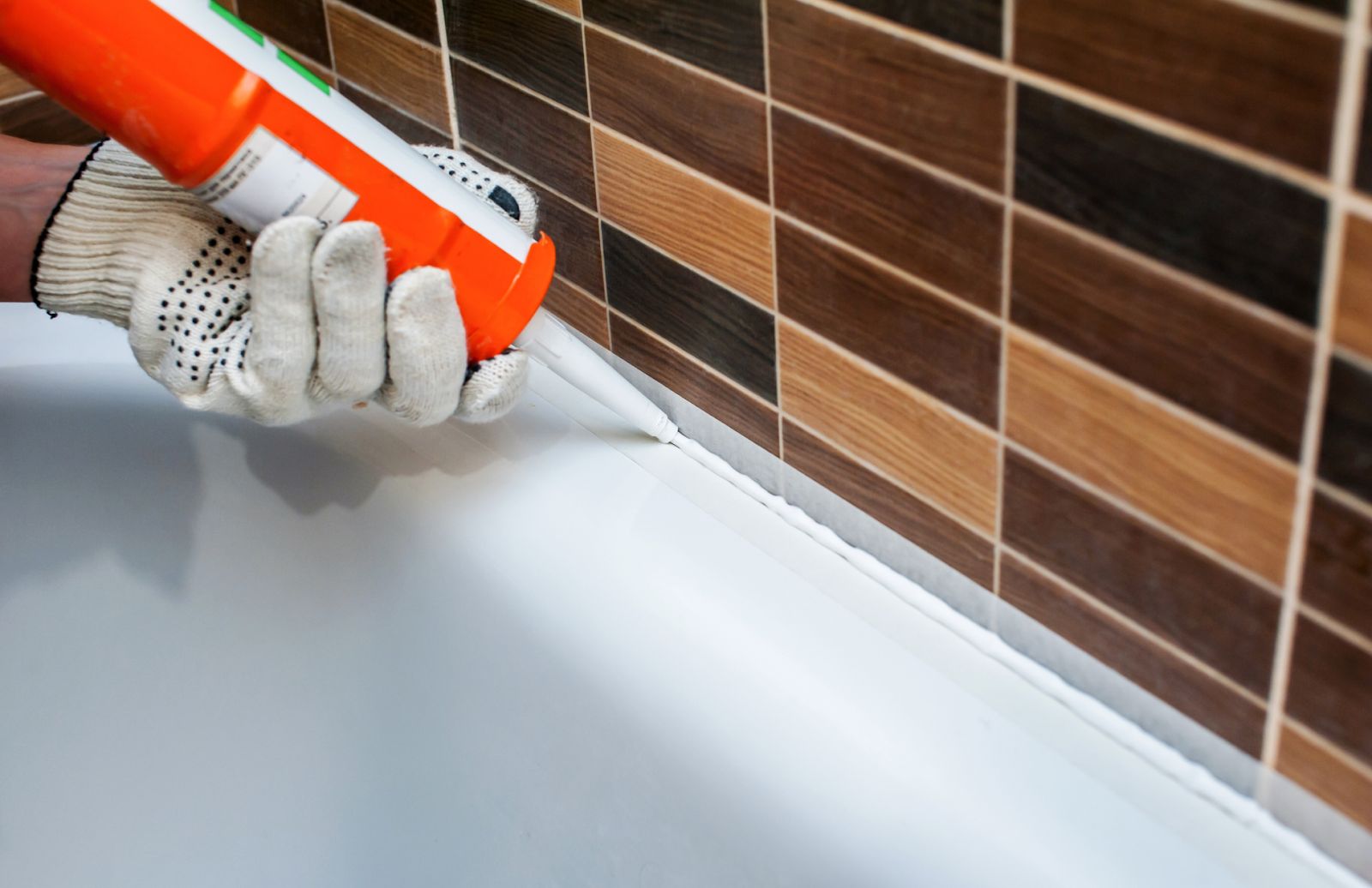
- Bath and kitchen caulking: Look for cracked or missing caulk at tubs, showers, and backsplashes. Fresh caulk is a classic handyman task and a big help against water damage.
- Electrical: Note any warm switches, buzzing dimmers, or flickering fixtures, and get a pro involved if you spot issues.
- Bathroom fans: Run for 20 to 30 minutes after showers and clean the grille if it’s dusty.
Seasonal (every 3 to 6 months)
- Test shut off valves: Gently close and reopen main in suite water shut offs and fixture shut offs so they don’t seize.
- Clean drains: Pull hair and debris from shower and tub drains; use strainers where you can.
- Windows and doors: Wipe frames, check for condensation and drafts, and make sure locks and latches work smoothly.
- GFCI outlets: Press “test” and “reset” buttons in kitchens, baths, and on balconies where present.
- Smoke and CO alarms: Hit the test button; change batteries at least once a year even if they seem fine.
Yearly (or every 1 to 3 years)
- Re caulk tubs, showers, sinks and counters if the bead is stained, brittle or missing.
- Repaint high wear areas: Entry, halls, kids’ rooms and around furniture where dents and dings pop up. A quick small painting touch up keeps scuffs from making the whole space feel tired.
- Check appliances: Clean dryer lint trap and (if accessible) vent, inspect hoses on washing machines, and ensure dishwashers aren’t leaking into cabinets.
- Review your condo insurance: Make sure coverage still lines up with your strata’s water damage deductible and any bylaw changes; this practical guide to repair and maintenance obligations under the B.C. Strata Property Act is a useful reference to compare against your policy.
- Watch for upcoming strata projects: Skim AGM minutes and council notices so you know about planned work (roof, windows, membranes) that could lead to levies or access to your suite.
If that list feels like a Saturday you’d rather spend outside, you’re not alone. Many of our North Vancouver condo clients simply batch these items into a yearly handyman visit and cross half their to do list off in a few hours.
4. What strata usually cover (but you still need to watch)
Under the Standard Bylaws and the Strata Property Act, the strata corporation must repair and maintain common property and common assets, as summarized in the Province of BC’s strata repairs and maintenance overview. That typically includes big ticket items such as:
- Building structure and exterior walls
- Roofs, parkades, and building envelopes
- Hallways, lobbies, elevators, and shared amenities
- Common plumbing, heating, ventilation, and fire systems
- Most exterior doors, windows, balconies, and railings, especially where they’re part of the building envelope or designated as LCP under Standard Bylaw 8, are described in the B.C. Standard Bylaws.
Even when the strata is on the hook for repairs, owners still play a big role by:
- Reporting issues quickly (leaks, spalling concrete, rusting railings, soft spots on walkways).
- Allowing access to your unit when the strata needs to enter for inspections or work.
- Following any maintenance requirements the bylaws assign to owners (for example, cleaning balcony drains or servicing in suite hot water tanks), often spelled out in your bylaws and in the Province’s division of repair duties guidance.
Quick reporting and access matter just as much as sorting out responsibility.
If you spot something that might affect more than just your unit: a ceiling stain on a party wall, a warm fire sprinkler head, or a leak in a chase, contact your strata manager or council right away before you book a private contractor.
5. Balconies, patios & parking: limited common property explained
Balconies, patios, and parking stalls are often limited common property (LCP): owned by the strata but for your exclusive use, with responsibilities split between you and the corporation under the Strata Property Act and your bylaws.
- You: day to day care keep surfaces clean, don’t block drains, avoid heavy planters or flooring that could damage membranes.
- Strata: structure, membranes, railings, and other envelope components, usually repaired or replaced on a long term schedule from the contingency reserve.
- Always check: your strata plan, bylaws, and any LCP schedules before adding tiles, privacy screens, or storage, and get written approval when in doubt.
Regular balcony cleaning and clear drains are usually the condo owner’s responsibility.
Before you invest in new balcony finishes or storage, that quick bylaw check and email to council is far easier than being told to remove everything during the next building envelope project.
6. When to call a handyman instead of DIY or strata
Condos are tight spaces with shared walls, fire regulations, and neighbours on every side, so some jobs are fine for DIY while others are better handed off to someone who does this all week long.
Good candidates for a handyman visit
- Drywall and paint touch ups: fixing moving day dents, old TV mount holes, nail pops, and minor water stain repairs (after the leak source is resolved).
- Door and hardware issues: sticky bedroom or closet doors, misaligned latches, wiggly handles, soft closing hinges, peepholes,s and interior lock upgrades (check bylaws before changing entry door appearance).
- Trim and casing repairs: chewed up baseboards, loose casing, transitions between flooring types.
- Kitchen and bath refreshes: re caulking, replacing a tired faucet, fixing loose towel bars, re mounting vanities or cabinets that have pulled from the wall.
- Small accessibility upgrades: installing grab bars, handheld showerheads or additional railing where allowed by bylaws.
- Installations and assembly: blinds and curtain rods, TV wall mounts, shelving, closet organizers, and furniture assembly ideal for our installation and assembly services.
Jobs to route through strata instead
- Anything involving the building envelope (exterior walls, membranes, roofs, exterior cladding).
- Changes to common areas (hallways, lobbies, parkades, bike rooms).
- Work on shared systems fire sprinklers, main plumbing stacks, common HVAC, base building electrical panels.
- Major balcony repairs or surface changes if your bylaws treat them as common or limited common property that the strata controls.
Mini case study: In a Burnaby high rise, an owner called us about a “small” ceiling stain near a bathroom. Our technician traced the moisture to a common drain line, documented photos and notes, and advised the owner to loop in strata before any opening up work. Strata brought in their plumber to fix the shared line; once things were dry, we returned to patch and repaint the affected drywall.
When we’re not the right fit, for example, if we suspect a common pipe or membrane problem our team will say so and suggest looping strata in before any work starts.
If you have a mix of small fixes, grouping them into one handyman visit is often cheaper than booking separate trades for each task.
7. Staying on good terms with your strata council
Most council members are volunteers juggling jobs and a stack of building emails. Before you send a repair request or book a handyman, run through this short checklist:
- Check documents and projects: glance at your bylaws, strata plan, and recent AGM minutes to see whether the item is part of your lot, limited common property, or an upcoming strata project.
- Document the issue: clear photos, dates, and a brief description help both strata and trades understand what they’re walking into.
- Get approval and coordinate access: ask before visible changes (door styles, balcony flooring, exterior facing blinds) and respond promptly when strata or their contractor needs entry to your suite.
If you do bring in your own handyman for anything that touches LCP or building interface items, copy strata on the scope so there are no surprises.
8. How Microworks Handyman helps Metro Vancouver condo owners
Microworks focuses on the small repair and install jobs stratas don’t cover the ones most renovation crews skip. We work in condos and townhomes across North Vancouver, West Vancouver, Vancouver, Burnaby, Coquitlam, and nearby communities every week.
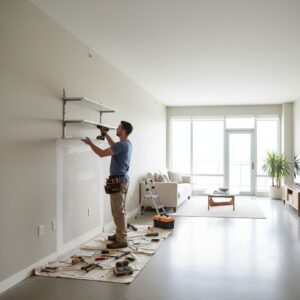
Many condo owners bundle small repair and installation jobs into a single handyman visit.
Here’s how a typical condo visit goes:
- Send a short list of repairs and installs (plus a few photos) through our Get an Estimate form.
- We group the work and email a clear, fixed price estimate before you book.
- Our technician confirms any strata considerations on arrival and works through your list efficiently.
- We walk through the work with you at the end, adjust anything that needs it, and leave the space tidy.
If you’d like help working through your condo maintenance checklist or turning that running “someday” list into a short visit, we can help.
Get an Estimate for your Metro Vancouver condo.
FAQs
Who is responsible for my balcony?
Balconies and patios are often limited in common property: you usually handle routine cleaning and keeping drains clear, while strata typically look after membranes, railings and structure on a long term schedule. Always confirm the exact split in your strata plan and bylaws before booking private work.
If I find a leak, who do I call first?
Start by protecting people and belongings, shutting off water if you can, and taking photos. If the leak might involve common pipes, exterior walls, or multiple units, contact your strata manager or emergency line first; for small fixture leaks fully inside your unit, a plumber or handyman is usually appropriate once the situation is stable.
How often should I do a full condo walkthrough?
Most owners do a quick visual check every few months and a slower, room by room walkthrough at least once a year, noting any moisture, damage, or wear. Tying that yearly walkthrough to your insurance renewal or strata AGM makes it easier to keep up with both maintenance and paperwork.
Key takeaway: Know which items are yours, which belong to strata, and which are ideal for a small handyman visit so you can prevent problems early and keep your condo feeling solid.