Aging in place home modifications can be subtle, high‑impact changes that keep familiar homes safe and comfortable.
If you or a parent wants to keep living in a favourite North Shore home as years go by, you are not alone. Many Metro Vancouver families are looking for practical ways to stay safe and comfortable without turning their place into a long renovation project.
This guide walks you through planning one‑day, high‑impact aging in place home modifications that fit real houses, condos, and townhomes across Metro Vancouver. We look at quick safety wins, how to choose which ones matter most, and how a small‑project handyman team can complete several key upgrades in a single visit.
Use it as a planning checklist with your family, an occupational therapist, and a trusted local handyman so your home starts working with you instead of against you.
Contents
- TL;DR: One-day aging-in-place safety plan
- What “aging in place” means in Metro Vancouver homes
- Step 1: Do a 20‑minute safety walkthrough
- Step 2: Choose high-impact one-day upgrades
- Step 3: Plan the visit so work fits in one day
- Typical costs for small aging-in-place projects
- DIY vs. pro: which aging-in-place jobs are worth hiring out?
- How Microworks Handyman helps Metro Vancouver families age in place
- Helpful resources & next steps
- About the Microworks Handyman Team
TL;DR: One-day aging-in-place safety plan
If you are skimming, here is the short version of a solid one‑day plan:
- Walk the home once, slowly. Focus on the bathroom, entry, stairs, bedroom, and main routes between them.
- List the “near‑miss” spots. Places where someone has already stumbled, grabbed a wall, or hesitated on a step.
- Pick 3–7 upgrades from this article that target fall risks, hard‑to‑use hardware, lighting, and awkward transitions.
- Gather measurements and photos. Note stud locations, stair lengths, and fixture positions; take clear photos for your contractor.
- Check funding options. In B.C., some provincial or local programs may help eligible households with accessibility costs; ask your OT or health authority what might apply.
- Book a focused handyman visit with a small‑project team like Microworks Handyman and share your prioritized list in advance.
The rest of this guide explains each step in more detail so you can move from “we should get to this someday” to a booked, realistic work day.
What “aging in place” means in Metro Vancouver homes
Aging in place simply means choosing to stay in your own home safely and independently for as long as you can, rather than moving earlier than you would like. In Metro Vancouver, that might be a Grand Boulevard character house or a Lynn Valley townhouse.
Across Canada, falls are the leading cause of injury for older adults, and roughly half of serious falls happen at home, according to the Public Health Agency of Canada. In British Columbia, the provincial government estimates that about one in three people over 65 experiences at least one fall each year. Bathrooms, stairs, and dim hallways show up again and again in those stories.
Small, well‑planned changes often beat a big renovation when the goal is to stay in the home you already love.
Why focus on one-day upgrades?
Many older homeowners tell us: “I know I should add grab bars and better railings, but I cannot deal with weeks of construction.” That is where one‑day, small‑project work shines.
By grouping several compact jobs into a single visit, a skilled handyman services team can often:
- Install multiple grab bars and handrails
- Add lighting and nightlights on key routes
- Swap out hard‑to‑turn knobs for lever handles
- Add anti‑slip treatments on stairs and in tubs or showers
- Deal with small transitions such as high thresholds
No single upgrade is magic. Together, though, they cut down on the everyday “tricky moments” that wear down confidence over time.
Step 1: Do a 20‑minute safety walkthrough
Before you book anyone, walk the home the way you or your family member actually uses it: early morning bathroom trip, heading out the front door, carrying groceries in, going to bed at night.
Keep a notepad and mark “hot spots” in these areas.
Bathroom: slips, reach, and balance
- Is there a sturdy place to hold when stepping in and out of the tub or shower?
- Is the floor slick when wet?
- Is it hard to rise from the toilet without pushing on a towel bar or vanity?
- Does the shower control require leaning or twisting?
Entries and outdoor steps
- Are there handrails on every set of steps, ideally on both sides?
- Is there a lip at the front door, balcony, or patio that catches toes or walkers?
- Is there enough light to see ice, wet leaves, or uneven concrete at night?
Stairs and hallways
- Are there gaps where someone must step without anything to hold?
- Do the stair edges blend into the rest of the tread, or are they easy to see?
- Are hallway lights or switches hard to reach in the dark?
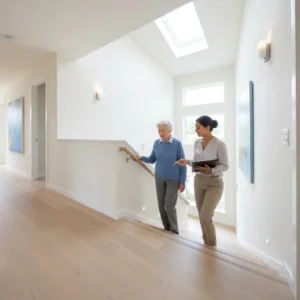
A quick safety walkthrough often highlights railings, stair edges, and hallway lighting as priority aging in place home modifications.
Bedroom and main living areas
- Is the path from bed to bathroom clear and well lit?
- Is the bed height comfortable to get in and out of?
- Are there cords, rugs, or small furniture pieces along the usual path?
If you work with an occupational therapist, bring them into this step. Many funding programs require that adaptations follow professional recommendations, and some upgrades may require an OT assessment.
Step 2: Choose high-impact one-day upgrades
Now that you know the trouble spots, match them to upgrades that usually fit into a single small‑project visit. Here are categories we often group together for Metro Vancouver clients.
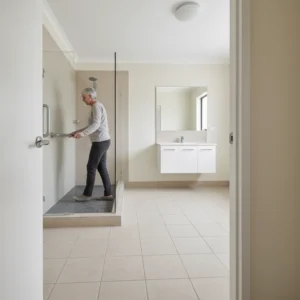
Properly installed grab bars and non‑slip surfaces in the bathroom are among the most effective aging in place home modifications.
1. Fall‑prevention upgrades that punch above their weight
- Grab bars in tub/shower and beside the toilet. Properly anchored bars (into blocking or studs, not just drywall) give a solid handhold where people most often lose balance.
- Secure, continuous handrails on stairs. Railings that extend the full run on at least one side of indoor and outdoor stairs, with a comfortable grip and solid brackets.
- Anti‑slip treatments. High‑grip strips on stair treads, non‑slip bath mats, and higher‑traction flooring at entries.
- Contrast strips on stair noses. A slim, contrasting strip on each tread edge makes stairs easier to judge, especially in dim light, as recommended by the Canada Safety Council.
2. Hardware and door changes that make every day easier
- Swap round door knobs for lever handles. Levers are easier on arthritic hands and easier to use while carrying groceries or using a cane.
- Install pull bars and D‑handles on frequently used cabinets. These give a larger, easier‑to‑grip surface.
- Adjust door swings where possible. In tight bathrooms, rehanging a door to swing outwards can make space for mobility aids and safer transfers. This needs case‑by‑case assessment.
3. Lighting upgrades for older eyes
- Motion‑sensor nightlights. Plug‑in or hard‑wired lights that come on automatically along the path from bed to bathroom.
- Brighter, well‑placed fixtures. Extra lights over stairs, at entries, and in bathrooms reduce shadows and trip risks, especially for older eyes, as noted in Health Canada guidance on preventing falls at home.
- Rocker or large‑paddle switches. Easier to use than small toggles, especially for anyone with limited dexterity.
4. Thresholds and small ramps
- Low‑profile threshold ramps. For patio doors, step‑downs to garages, or small changes in floor levels, a modest fixed or modular ramp can smooth the transition for walkers and wheelchairs.
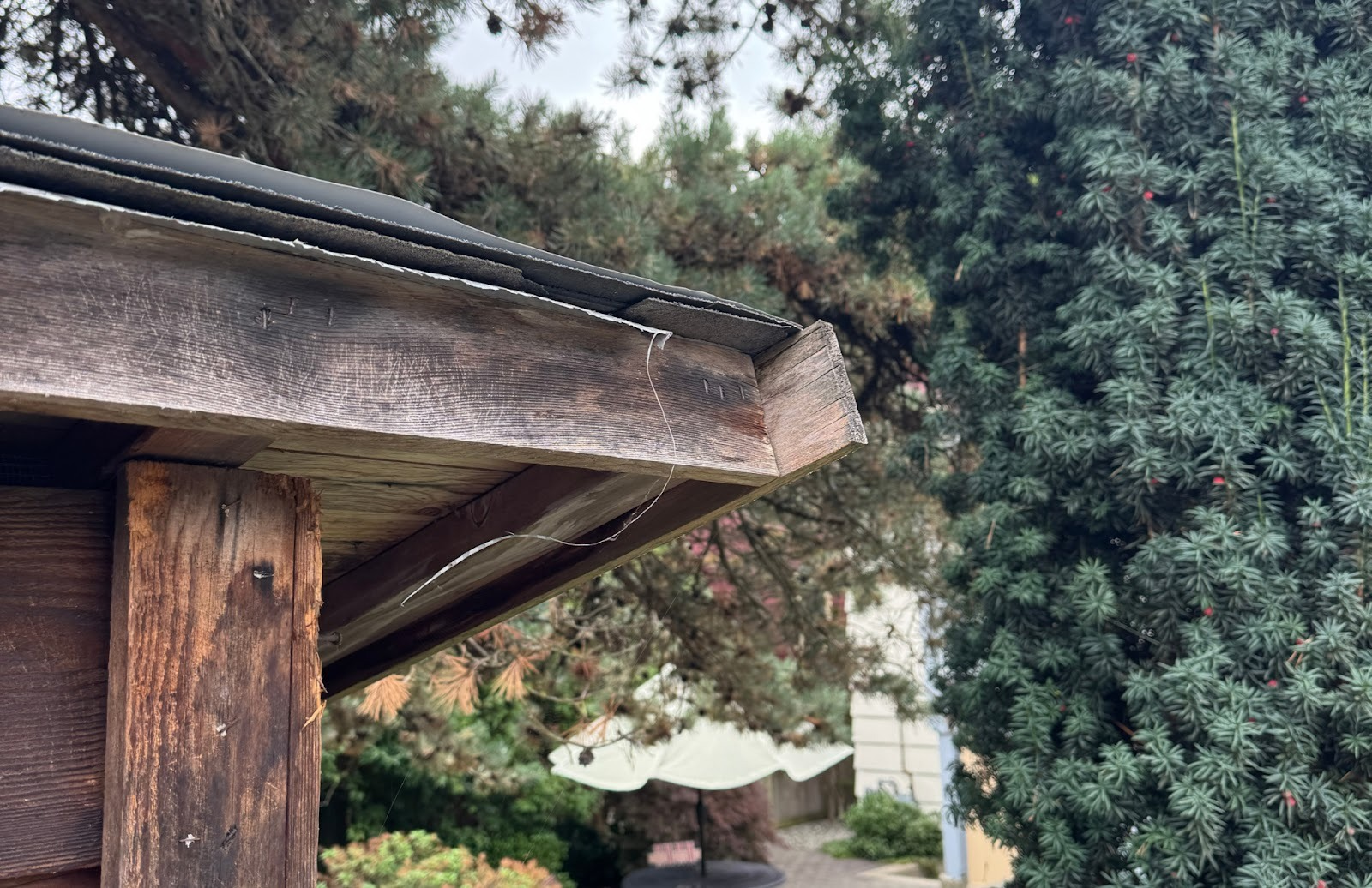
- Sill and step repairs. Rotting or uneven exterior steps are common in the North Shore’s wet climate; repairing these often fits neatly into a one‑day job list.
5. Kitchen and storage tweaks
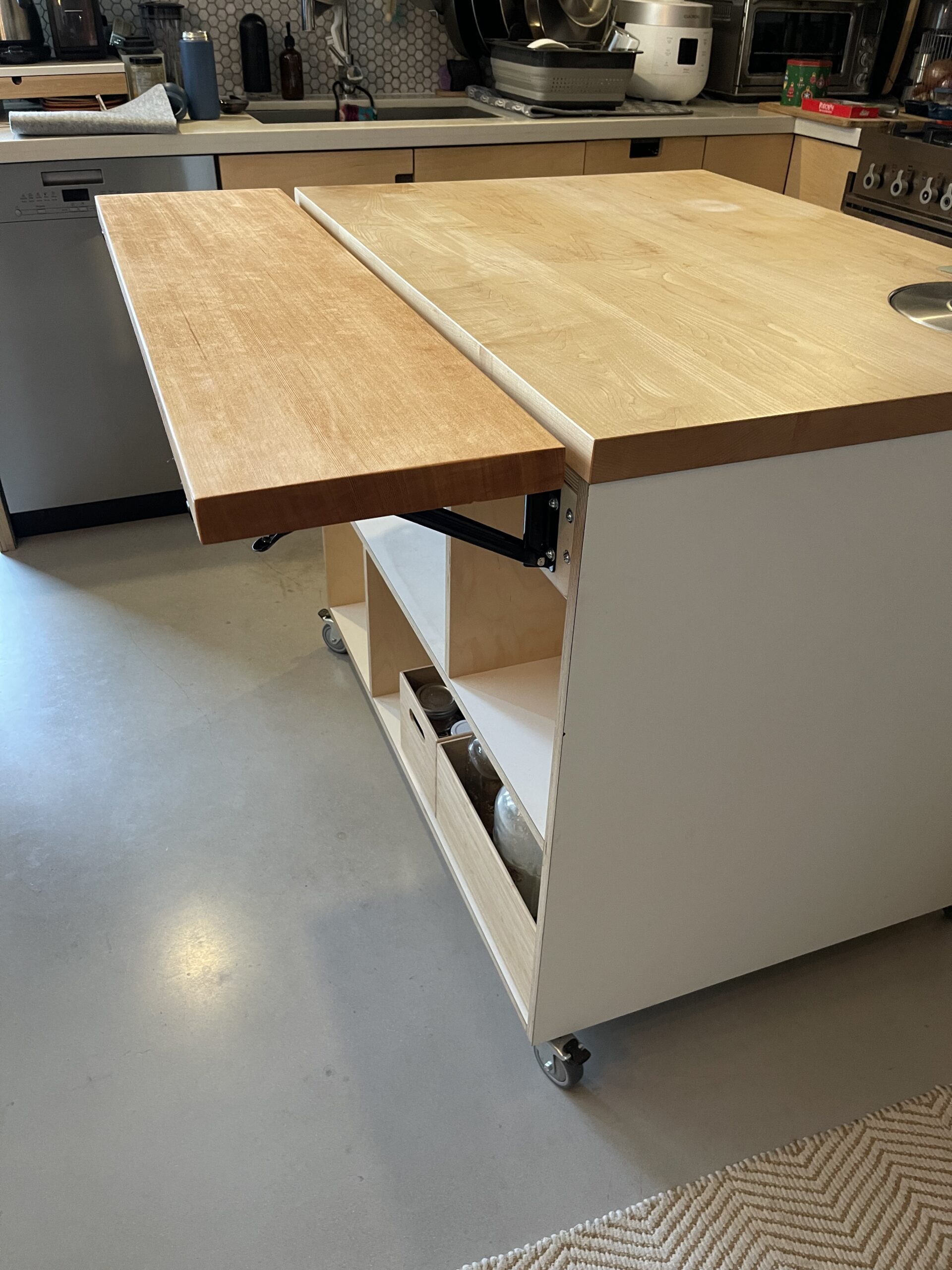
- Pull‑out shelves and drawers. Reduces the need to bend deep into lower cabinets.
- Repositioned everyday items. Moving the heaviest or most used items into mid‑height drawers or shelves.
- Sturdier grab points. Replacing wobbly cabinet doors or handles that people instinctively hold for balance.
Most of these can be bundled into a single visit if measurements and product choices are sorted ahead of time. That is where good planning pays off.
When we put together a visit plan for clients booking our North Vancouver handyman team, we often group “bathroom safety + stair rail + entry lighting” into one high‑impact day.
Step 3: Plan the visit so work fits in one day
To keep work realistic for a one‑day visit, clear up decisions and measurements before your handyman arrives.
Talk with the person who will use the upgrades
- Which spots in the home feel most stressful or tiring?
- Which hand is stronger for railings and bars?
- Is bathing easier sitting or standing?
- Are there times of day when construction noise or bathroom access will be a problem?
Measure and photograph
For each planned upgrade, grab a tape measure and note:
- Heights (toilet seat, tub edge, stair rise and run, existing rail height)
- Stud locations and clear wall space beside the toilet and inside the tub/shower
- Any heating pipes, electrical panels, or other obstacles that limit placement
Take clear front and angled photos so your contractor can estimate accurately and show up with the right hardware.
Confirm products and finishes
Decide in advance whether you will supply fixtures or ask your handyman to bring them, and confirm:
- Grab bar lengths and finishes (e.g., 24″ brushed stainless, 36″ for tub walls)
- Lever style for new door handles
- Colour and type of anti‑slip strips
- Nightlight and switch locations
Check funding and paperwork
For eligible households, B.C.’s BC Rebate for Accessible Home Adaptations (BC RAHA) can help cover part of the cost of approved home adaptations for people with permanent disabilities or reduced abilities. Review the current criteria and talk with your occupational therapist or health authority contact before you start work, since many programs do not cover upgrades completed beforehand.
Once you have this information, send your list and photos through the Microworks Get an Estimate form so our team can group tasks efficiently and give you a clear, fixed‑price quote.
Typical costs for small aging-in-place projects
Here are common one‑day, small‑project combinations in Metro Vancouver (materials plus labour):
- Basic bathroom safety package: 2–3 grab bars, non‑slip treatment, and small hardware changes.
- Stair and hallway upgrades: a new railing, stair‑nose strips, and an extra light fixture.
- Entry and threshold improvements: minor step or handrail repair, a low threshold ramp, and better exterior lighting.
When you reach out through the Microworks contact page, we review your list, ask follow‑up questions, and then share a detailed estimate before any work is booked.
DIY vs. pro: which aging-in-place jobs are worth hiring out?
Some aging‑in‑place changes are simple weekend projects. Others are safer when installed or at least checked by someone with building and fastener experience, whether that is a handyman, carpenter, or licensed tradesperson.
Often reasonable for handy homeowners
- Plug‑in motion nightlights
- Re‑organizing storage so heavy items sit at mid‑height
- Decluttering pathways and tucking cords out of walking routes
- Adding non‑slip bath mats (installed on a dry, clean surface)
Usually best for a pro
- Grab bars and railings. These must be fastened into solid structure with the right anchors; a bar that pulls out under load is more dangerous than none at all.
- Stair repairs and rail replacements. Structural carpentry, even at a small scale, can affect safety for everyone in the home.
- Threshold ramps fastened to structure. These need to be stable and sized correctly for mobility devices.
- Hard‑wired lighting or outlet changes. In B.C., hard‑wired electrical work should be done by, or under the direction of, a licensed electrician.
At Microworks, our Red Seal–trained carpenters focus on the carpentry and hardware side of these upgrades and coordinate with licensed electricians or plumbers when needed. If work bumps into medical questions, check with your occupational therapist, physiotherapist, or doctor rather than guessing.
How Microworks Handyman helps Metro Vancouver families age in place
Microworks is a small‑project‑only handyman company based in North Vancouver. Our Red Seal–led team has Adaptiv Home training and regularly helps homeowners across the North Shore and nearby Metro Vancouver communities with aging‑in‑place upgrades.
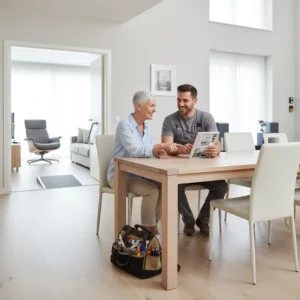
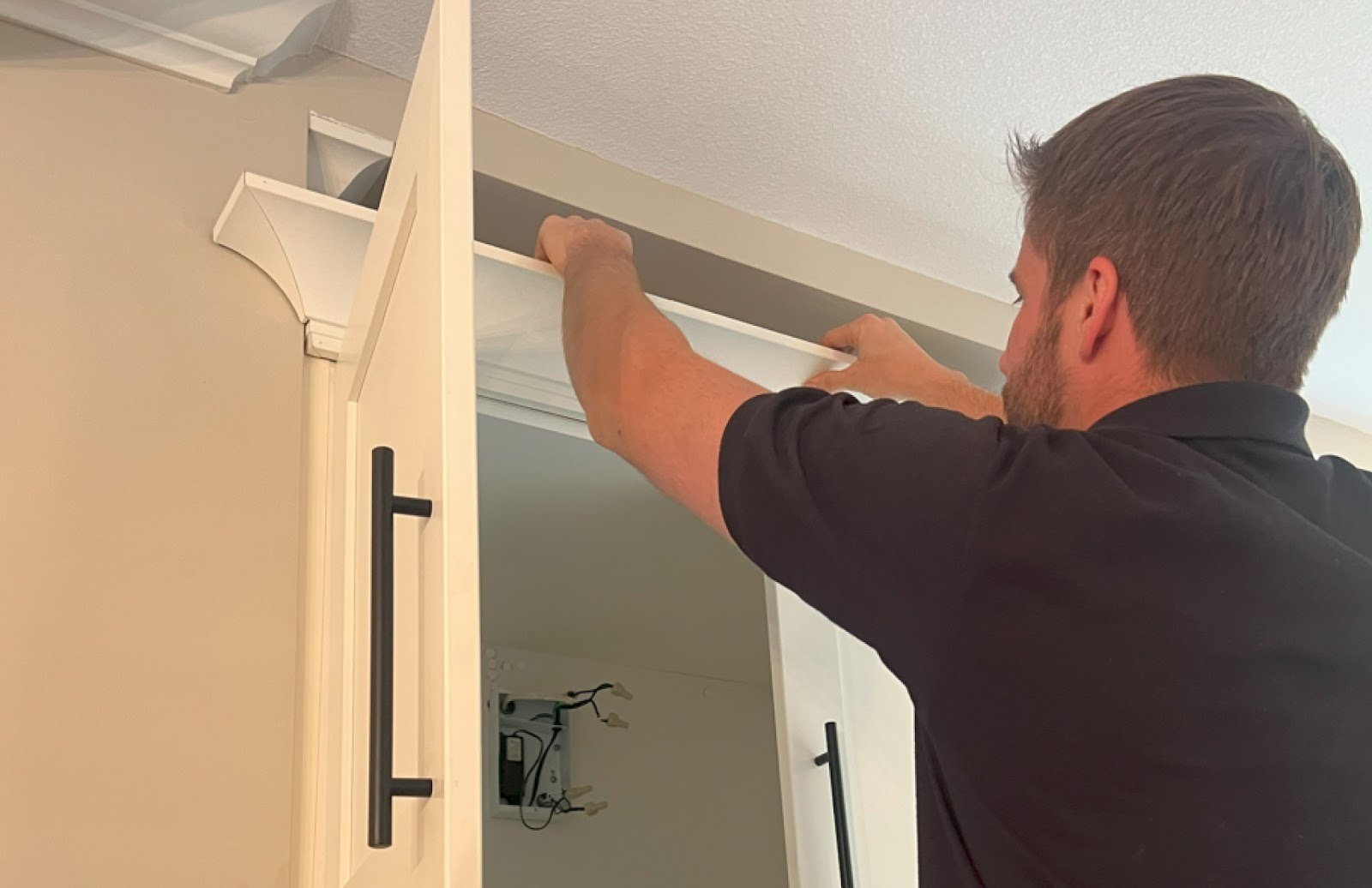
A focused one‑day visit starts with a clear list of aging in place home modifications, photos, and product choices.
Here is how a typical one‑day aging‑in‑place visit works with us:
- You send your list. Through our Get an Estimate form, share your safety goals, photos, and any OT recommendations.
- We group tasks into a realistic plan. Our team checks which jobs can fit into one visit, confirms hardware choices, and flags anything that needs another trade.
- You receive a clear estimate. We quote the work on a fixed‑price basis wherever possible, so you know what to expect before booking.
- We arrive ready to work. A uniformed technician shows up with the tools, fasteners, and hardware needed to complete as much of the agreed list as the day allows.
- Walkthrough and adjustments. Before we pack up, we test each upgrade with you and make small tweaks, such as bar angles or heights, where practical.
For example, a typical one-day aging-in-place visit might include installing two grab bars in a compact ensuite, replacing a loose interior stair railing, and adding motion‑sensor nightlights along the bedroom‑to‑bathroom route—small changes that make nighttime trips to the bathroom steadier and less stressful.
If you would like help turning your notes into a one‑day plan, you can browse our handyman services overview or learn more about our team on the About page.
Ready to talk through your list? Share a few details through our Get an Estimate form and we will respond the same day with next steps and questions, not pressure.
Helpful resources & next steps
For more background and planning help, these resources are worth a look:
- BC Rebate for Accessible Home Adaptations (BC RAHA) – provincial rebate program that helps eligible households pay for accessibility upgrades.
- You CAN Prevent Falls! (Public Health Agency of Canada) – national statistics and fall‑prevention tips.
- Seniors’ Fall Prevention (Province of B.C.) – B.C.‑specific information and planning resources.
Key takeaways
- Falls often start in the bathroom, on stairs, and in dim routes between bedroom and toilet.
- Grouping 3–7 upgrades into a single, well‑planned day can deliver a noticeable jump in safety and confidence.
- Professional installation matters for anything someone will lean or pull on, such as grab bars and railings.
- In B.C., rebate programs may help some households with accessibility adaptations when set up correctly.
- A small‑project specialist like Microworks Handyman is built for exactly this kind of focused, aging‑in‑place work.
About the Microworks Handyman Team
Microworks Handyman is a North Vancouver–based, Red Seal–led handyman company that focuses only on small to mid‑sized projects. Our team has decades of experience in local homes plus additional training through the Adaptiv Home program for accessibility and aging‑in‑place upgrades. We serve homeowners across North Vancouver, West Vancouver, Vancouver, Burnaby, Coquitlam, and nearby communities.
Need help planning your own one‑day safety upgrade list? Get an estimate and we will follow up the same day.